De 48V volt van het gebouw werd in mei 2025 afgeschakeld. De volledige ontmanteling volgde nadien
Original text, not translated (NL)
Anecdotes
Memories, stories and details shared by those who knew the RTT.
Do you have an anecdote to share?
A memory from the job, a story from a worksite, the name of a forgotten colleague: every testimony adds to the memory of the RTT, Belgacom and Proximus.
44 anecdote(s)
De 48V volt van het gebouw werd in mei 2025 afgeschakeld. De volledige ontmanteling volgde nadien
Original text, not translated (NL)
Dit gebouw staat te koop, zal verlaten worden in 2027
Original text, not translated (NL)
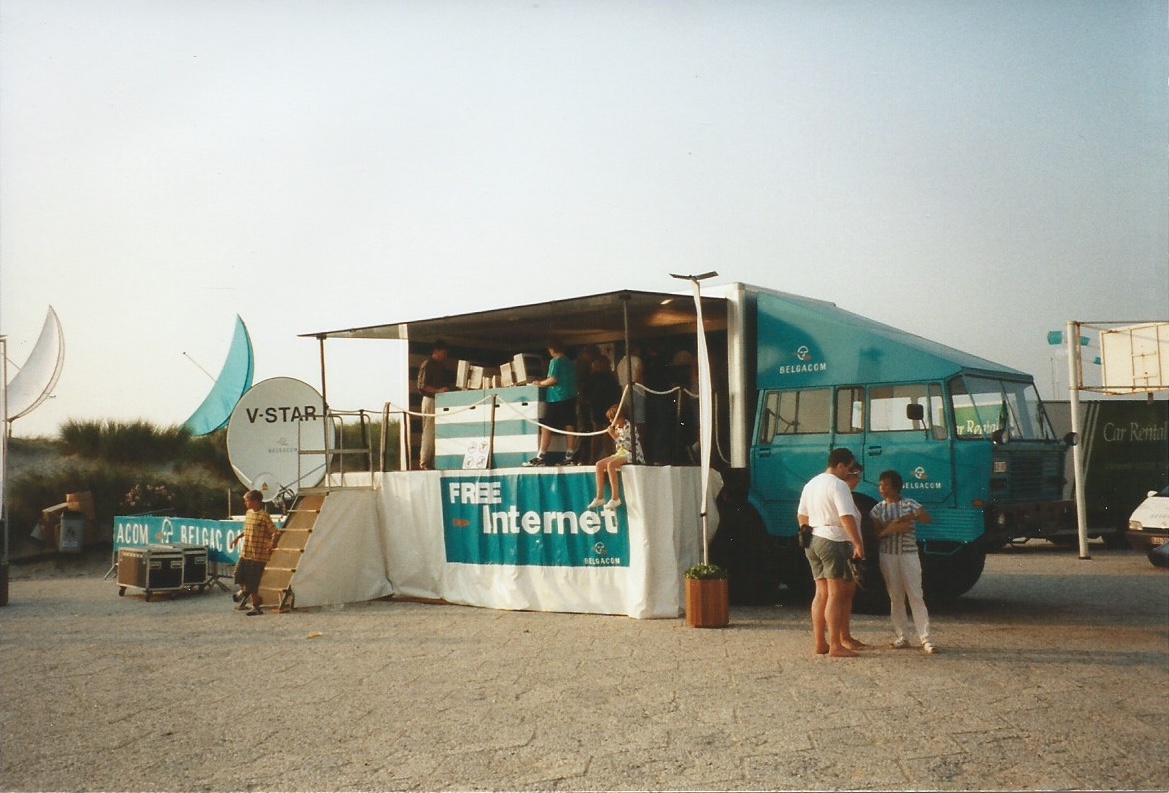
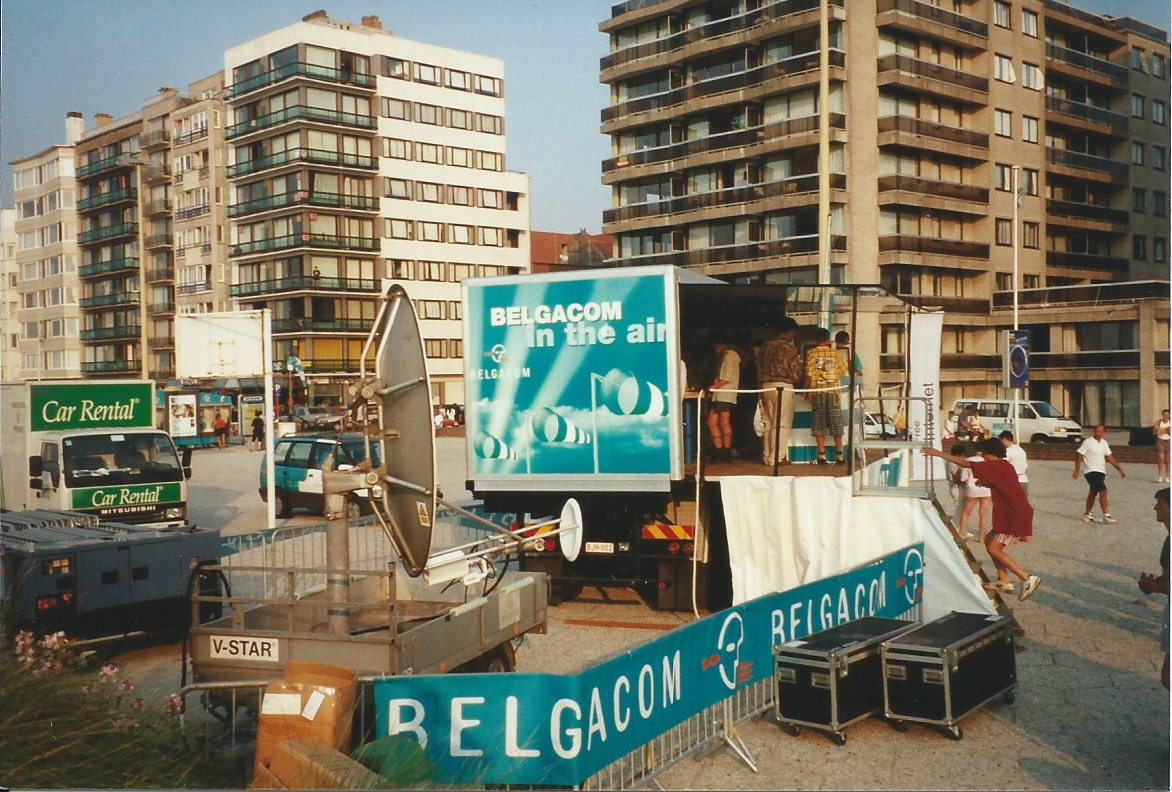
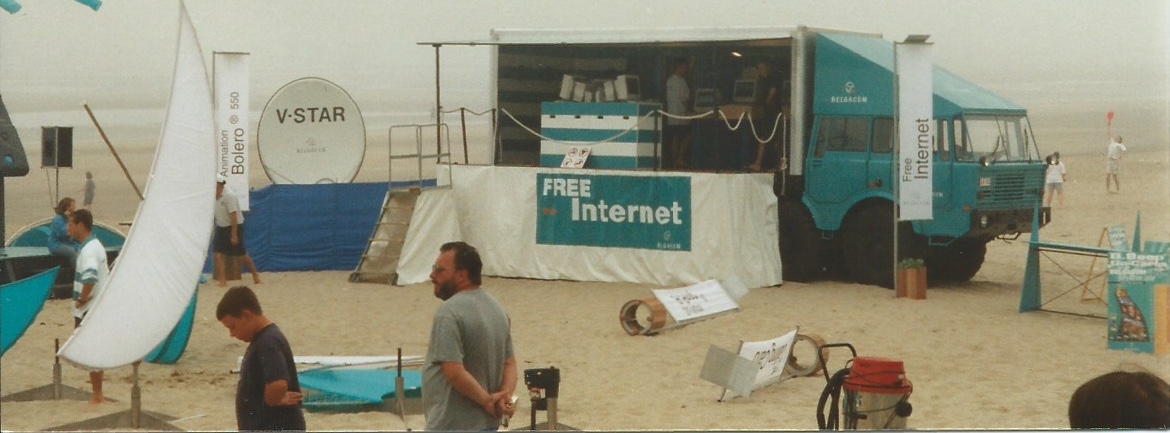
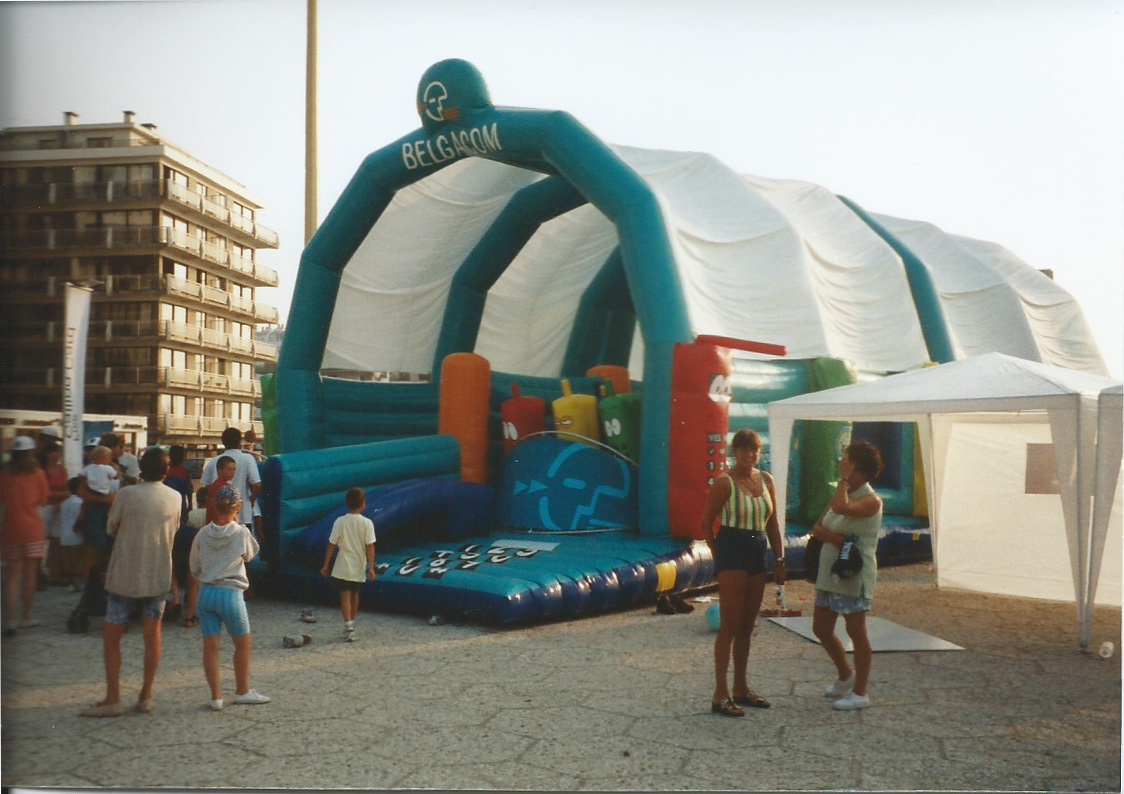
Summer 1997: Surfing by the Sea
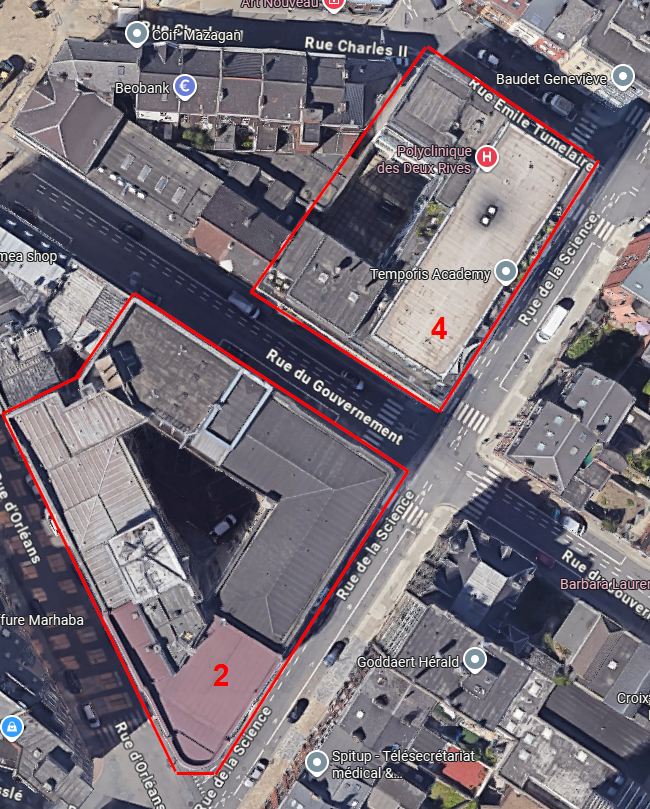
This refers to the building located at 2 Rue de la Science, since RTT_BGC_PXS also owned a large building at 4 Rue de la Science, separated by Rue du Gouvernement. An underground passage runs beneath this street and connects the two sites. The building at No. 4 was sold in ??? and has been converted into apartments (access to the underground passage has been closed).
A few years ago, I had a visit from a former employee who had worked in the electromechanical room in Luttre, a space located on the street side, across from the railroad tracks. He told me that once, he had a problem with the switches that occurred intermittently and that he couldn’t figure out what was causing it. After several days or weeks, he realized that the problem occurred every time a freight train passed on the tracks.
The Verviers telephone exchange was beginning to become overloaded. It needed to expand, and Pepinster was in an ideal location. A telephone exchange was installed on the first floor of the post office on Avenue de la Gare. After a few years of operation, it became the first automated exchange in the metropolitan area. It didn't take long for the Telephone Authority to realize that the Pepinster network would eventually become overloaded. Already, with an eye toward the long-term future, on February 8, 1933, the Régie purchased a plot of land and a house on Rue du Duc. This was no easy task: suddenly, there were many interested buyers for these properties, located right in the heart of Pepinster and away from heavy traffic. Administrative formalities would drag the process out. It will be necessary to purchase and exchange land or buildings in order to create a cohesive whole. It will even be necessary to buy a building, demolish it, and cede a three-meter strip of land to provide easy access to another property. These sales and purchases will ultimately be finalized after the liberation in 1944. It was about time. On August 7, 1946, there were 342 subscribers in Pepinster. The telephone exchange at the post office had a capacity of 400 lines. On May 10, 1947, the Regie filed an application to build a telephone exchange on Rue du Duc, with a capacity of 800 lines. That capacity was quickly outgrown, and today, the 1946 figure has increased fivefold. While the choice of Rue du Duc as the site for this telephone exchange may have been somewhat arbitrary, this location is situated almost at the center of a large population center comprising the neighboring municipalities. Including Pepinster and Cornesse, the network extends down the valley to the Purgatoire Bridge; it covers the municipalities of Wegnez, Soiron, and even Xhendelesse.
Next to the historic building, a new structure was erected around 2016 to take over the Antwerp-Centrum service node. On April 14, 2017, the first portion of the telephone and internet traffic was routed through it.
The building's 48V power supply was shut off in July 2025. Complete demolition followed shortly thereafter. The latest information is that the building has been sold and is scheduled to be demolished.
Telecom traffic will be moved out of the old building in the fall of 2026
The building's 48V power supply was shut off in July 2026. Complete dismantling will follow
The building's 48-volt power supply was shut down in 2025. Complete dismantling followed shortly thereafter. During these dismantling operations, a subcontractor was involved in a serious accident.
The four entrances in Aalst.

July 1968 Like many children whose dad or mom worked at the R.T.T., I, too, spent a month there on vacation when I was 7 years old. While we were playing, another child pulled my glasses off and threw them on the ground.I couldn’t see anything anymore—everything was blurry—but very quickly a counselor was standing next to me. She took me by the arm, and we went inside. A little later, a man dressed in black and wearing a kepi came in. He was a driver for the R.T.T. Together with the counselor, we were driven to an ophthalmologist in Veurne. Later, we went to the optician’s, where I got new glasses with the correct lenses. The R.T.T. paid for everything. And my parents were notified by phone about what had happened.
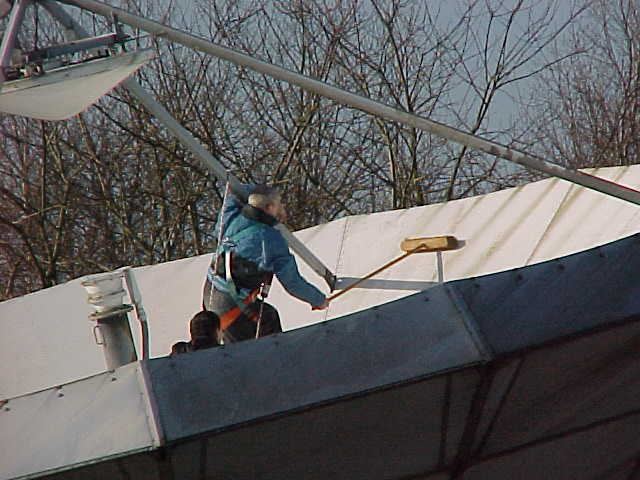
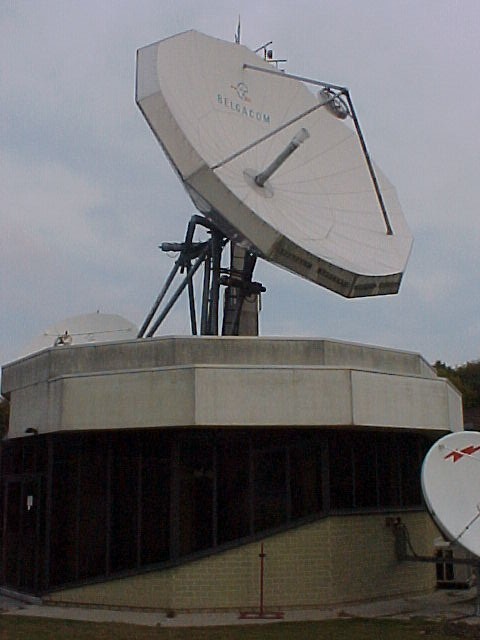
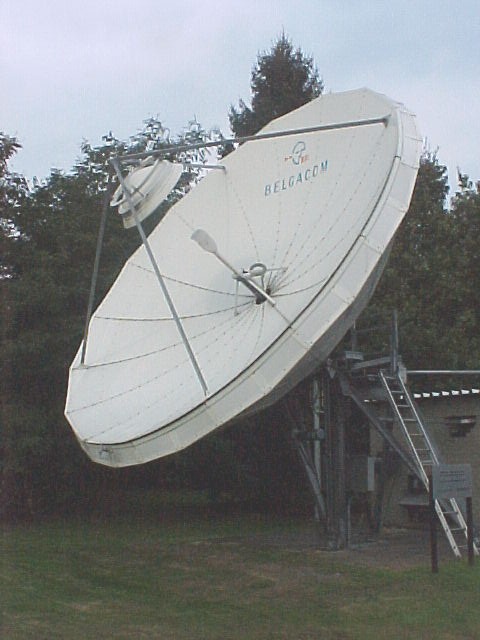
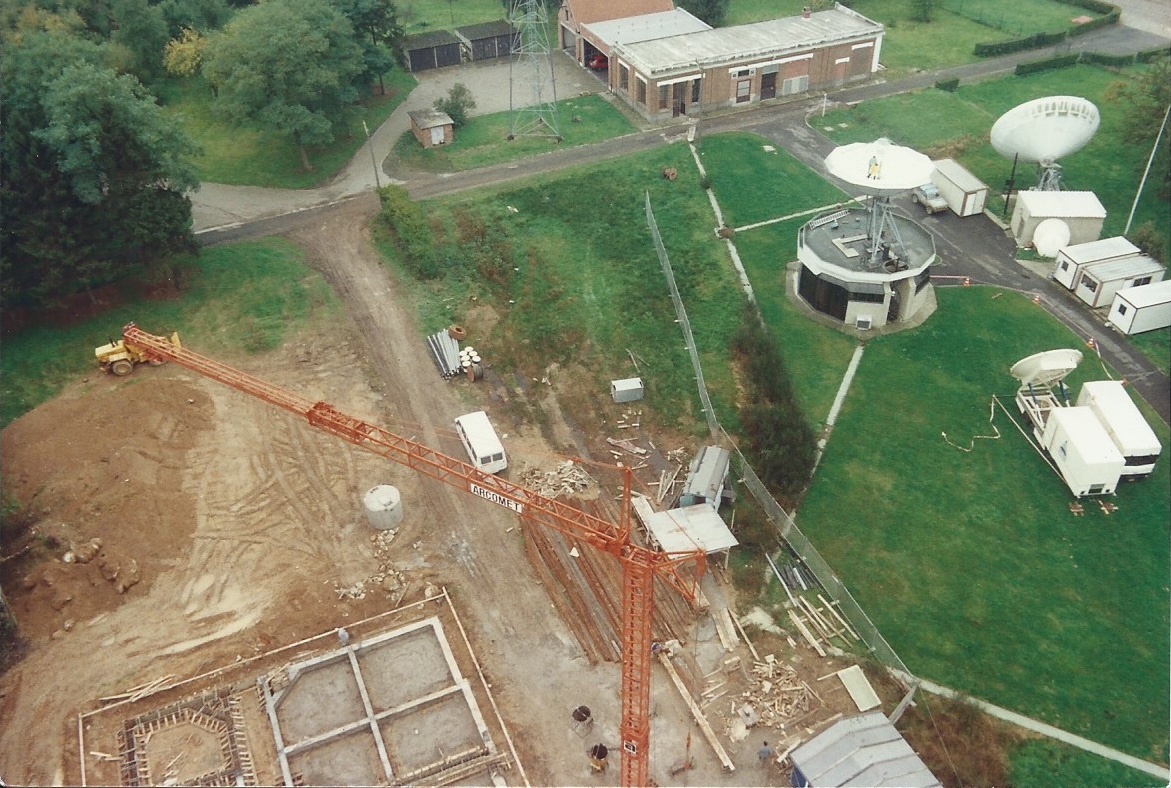
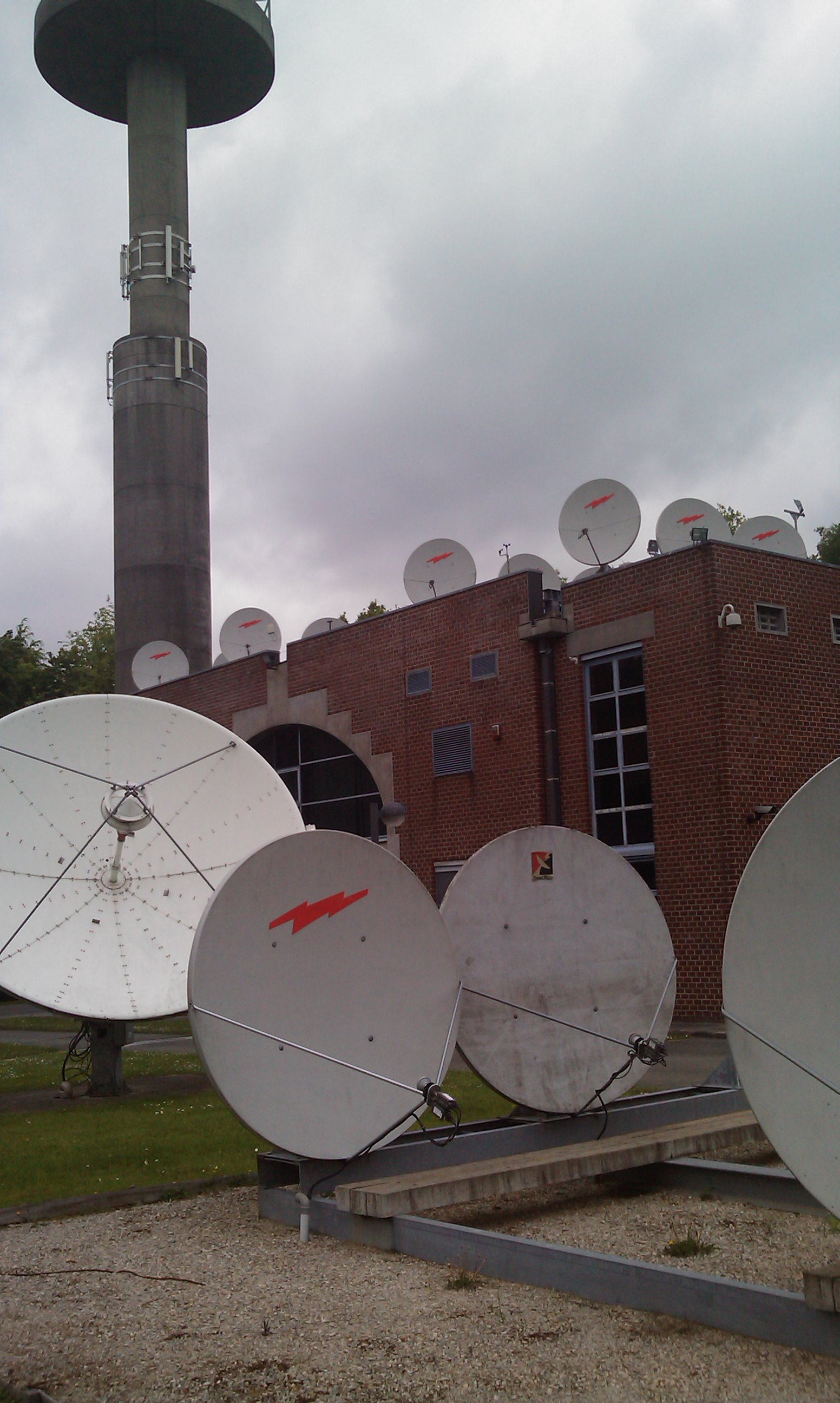
https://sky-brokers.com/project/bss-proximus-liedekerke-belgium/ On this site, you can see how they tore down my 30-year-old LDK. The photo was taken while I was washing (cleaning) one of the plates. and you can find the video of the demolition at: https://www.youtube.com/watch?v=1qroL1JlNR8
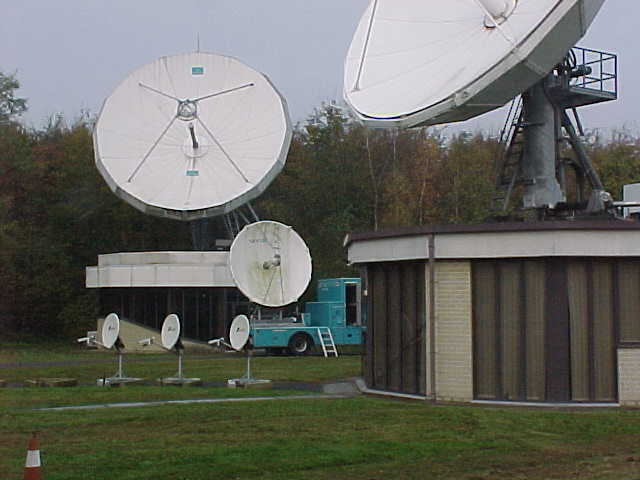
TR-Sat began operations in 1984, with Filmnet as its first customer on LDK-1. This was followed by LDK-2 (Eutelsat), LDK-3 (Intersat), and LDK-4 (VSAT). Next came Belgacom-TV, now Pickx-TV. In between, the company provided radio services and SNG.
91OVM
Original text, not translated (NL)
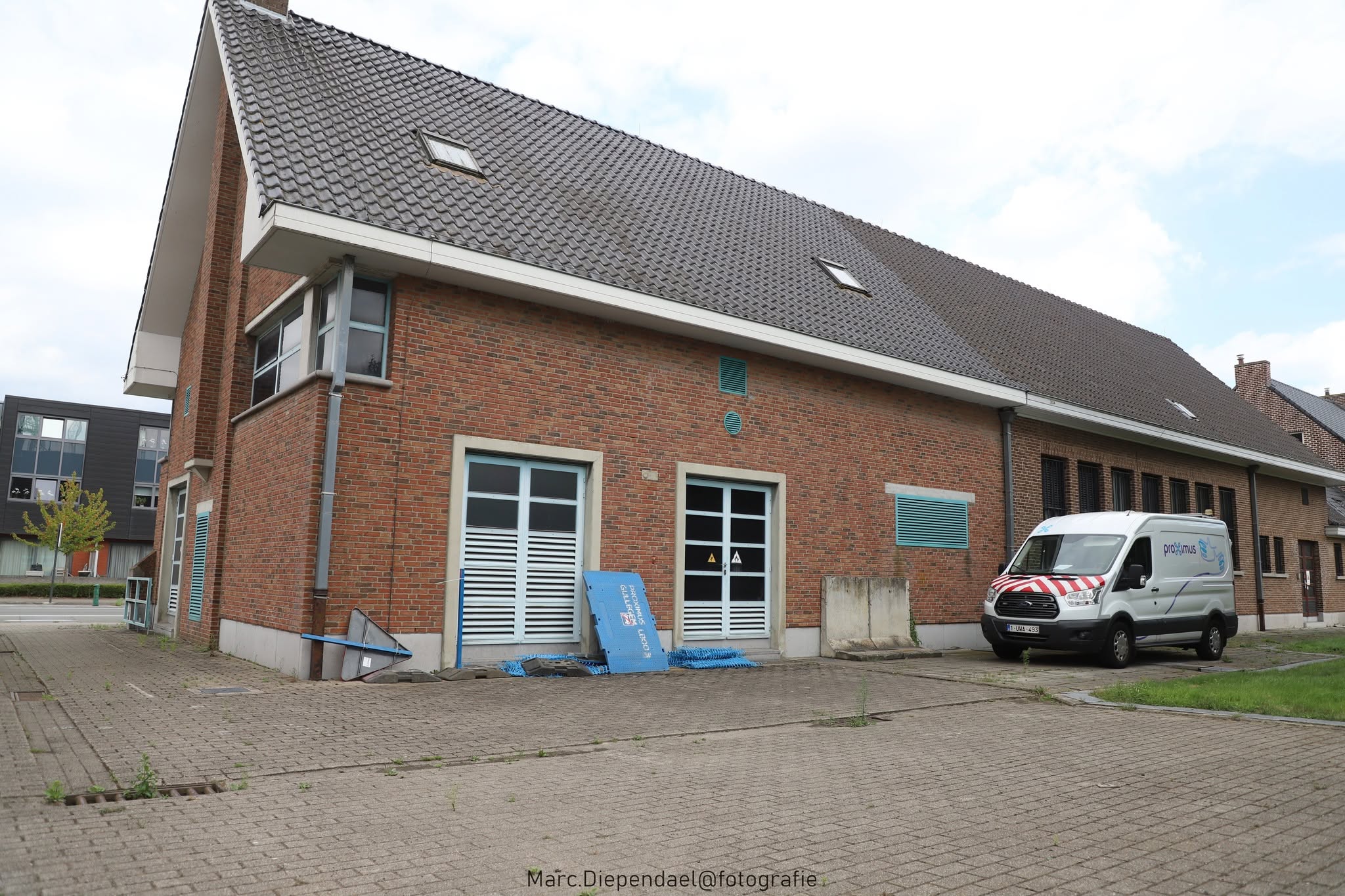
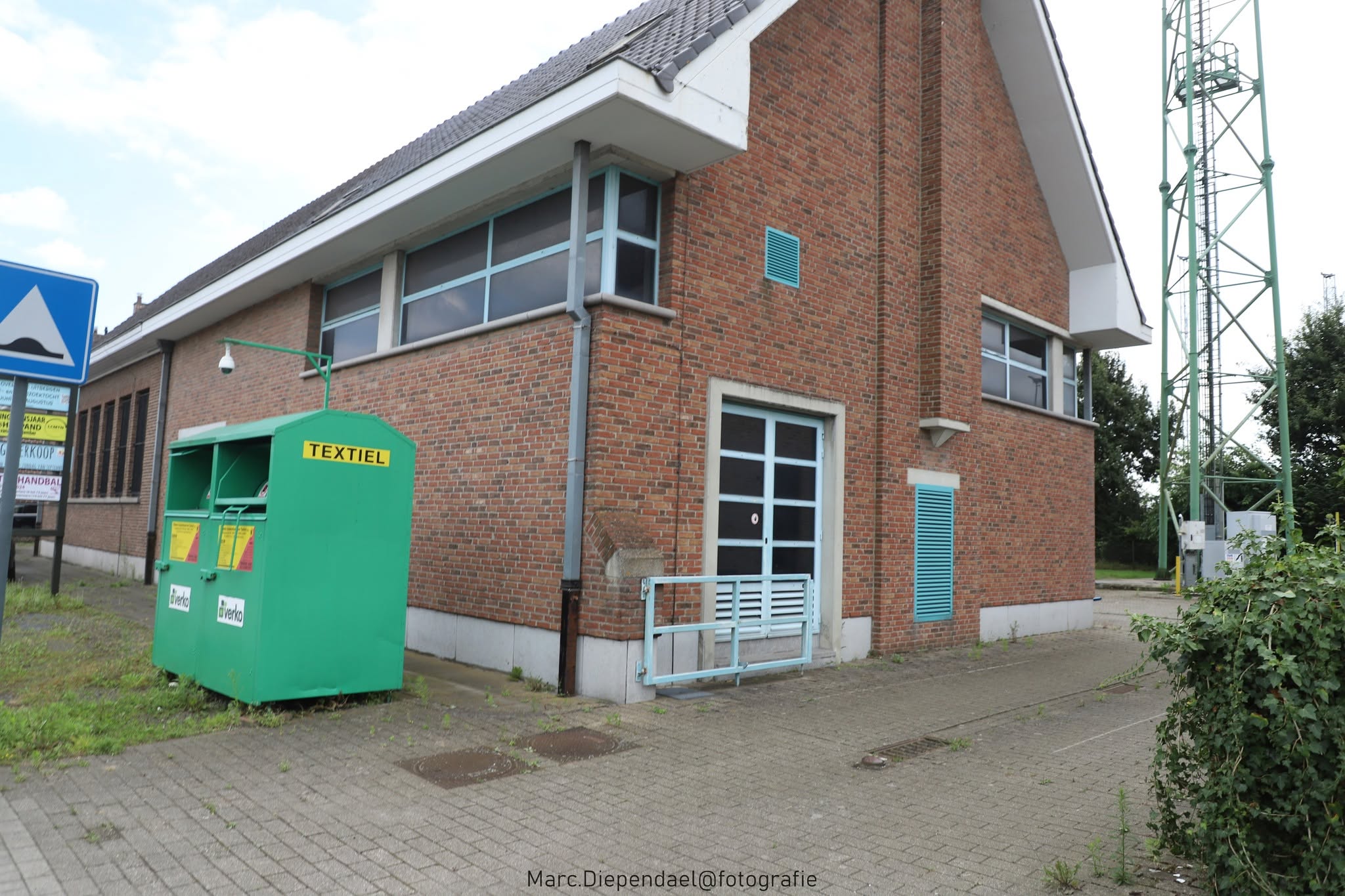
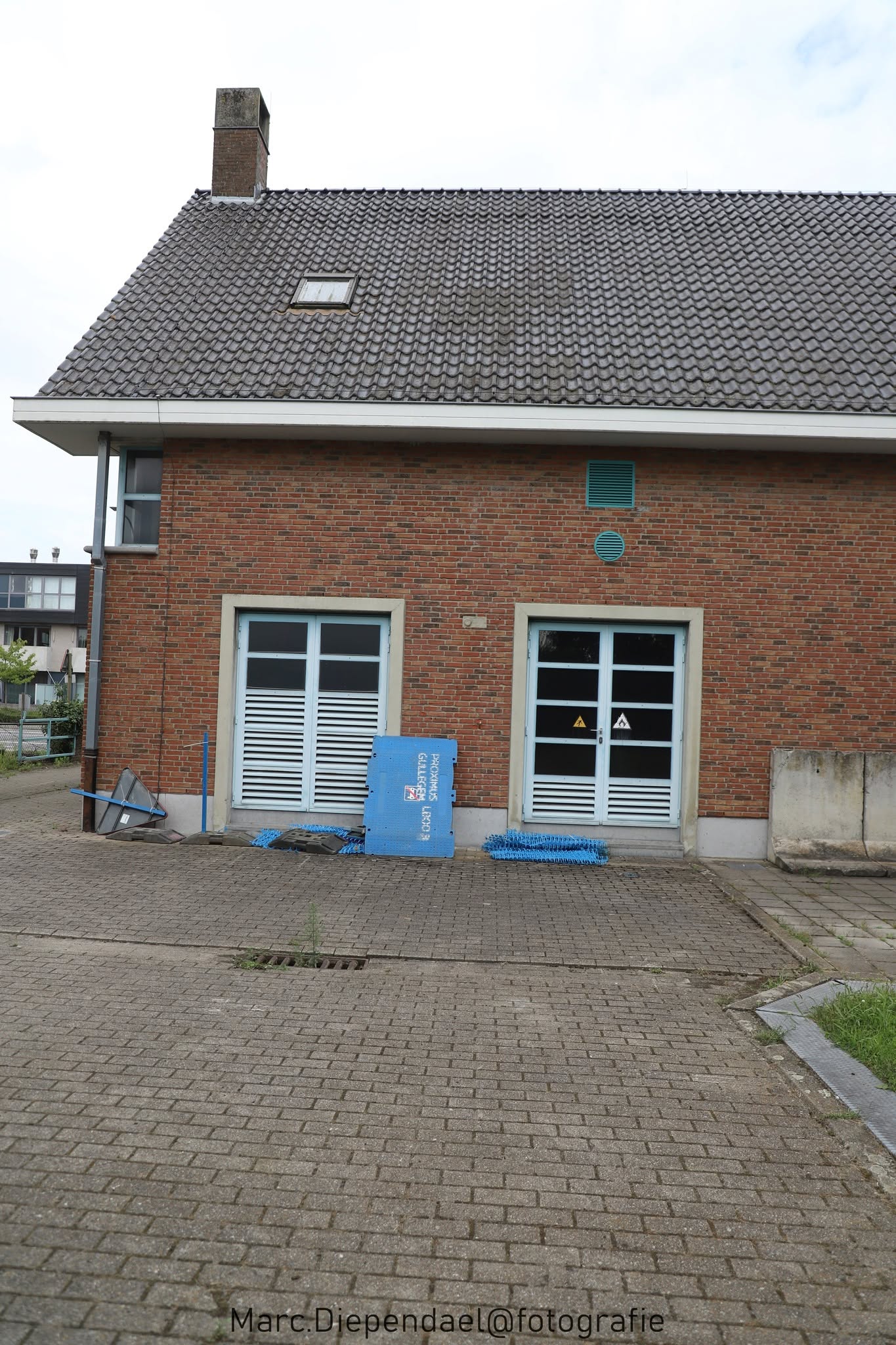
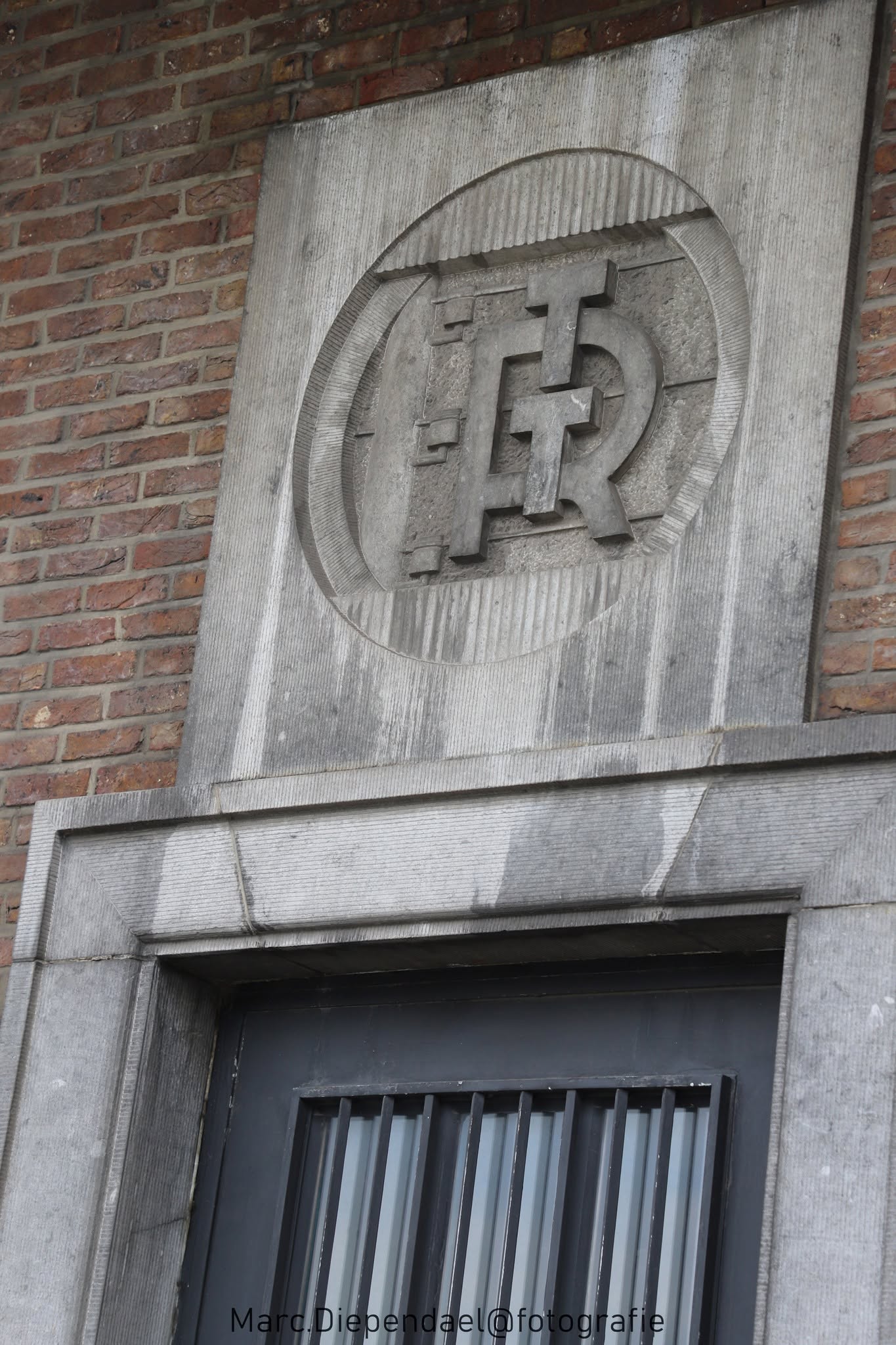
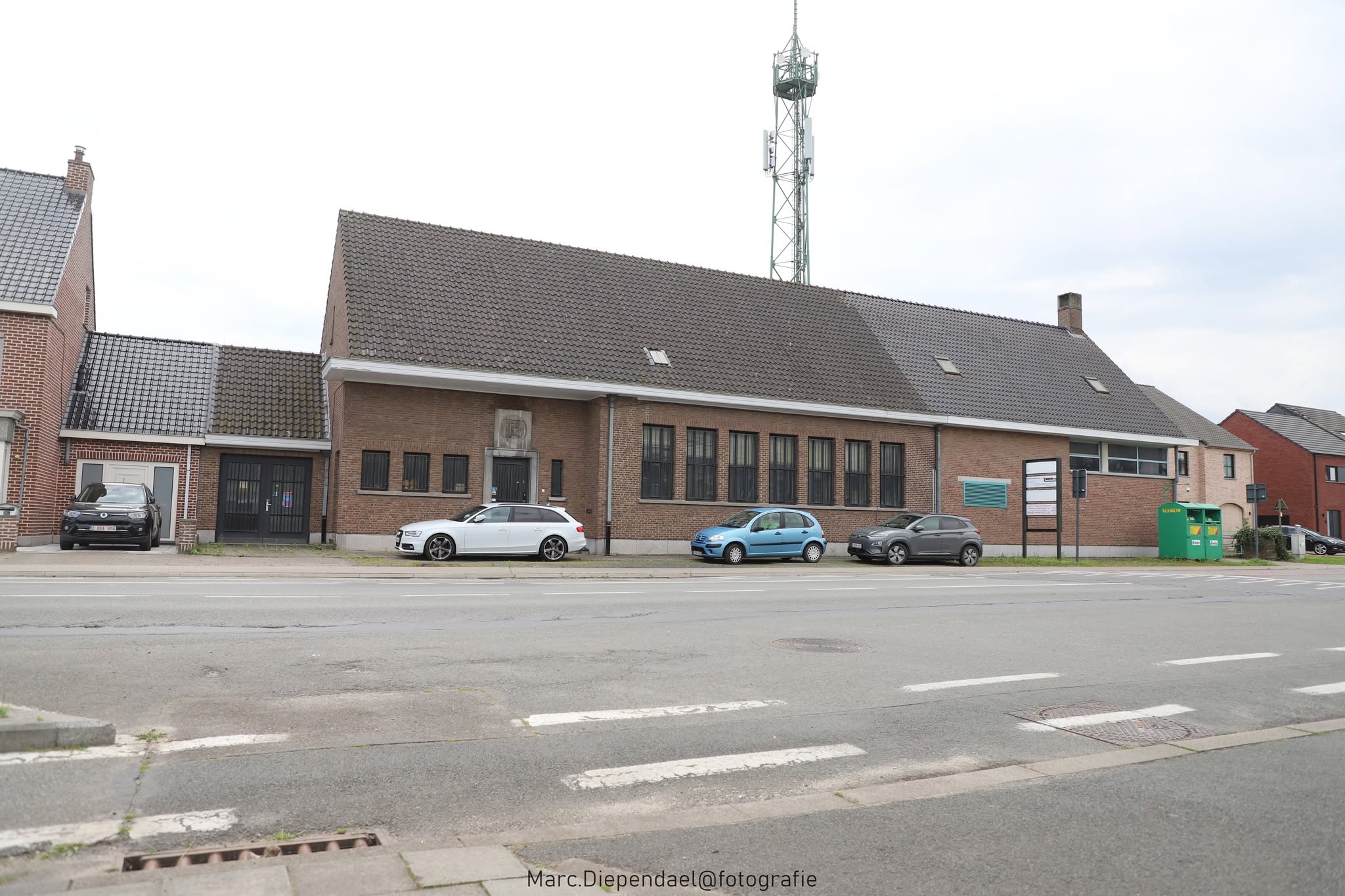
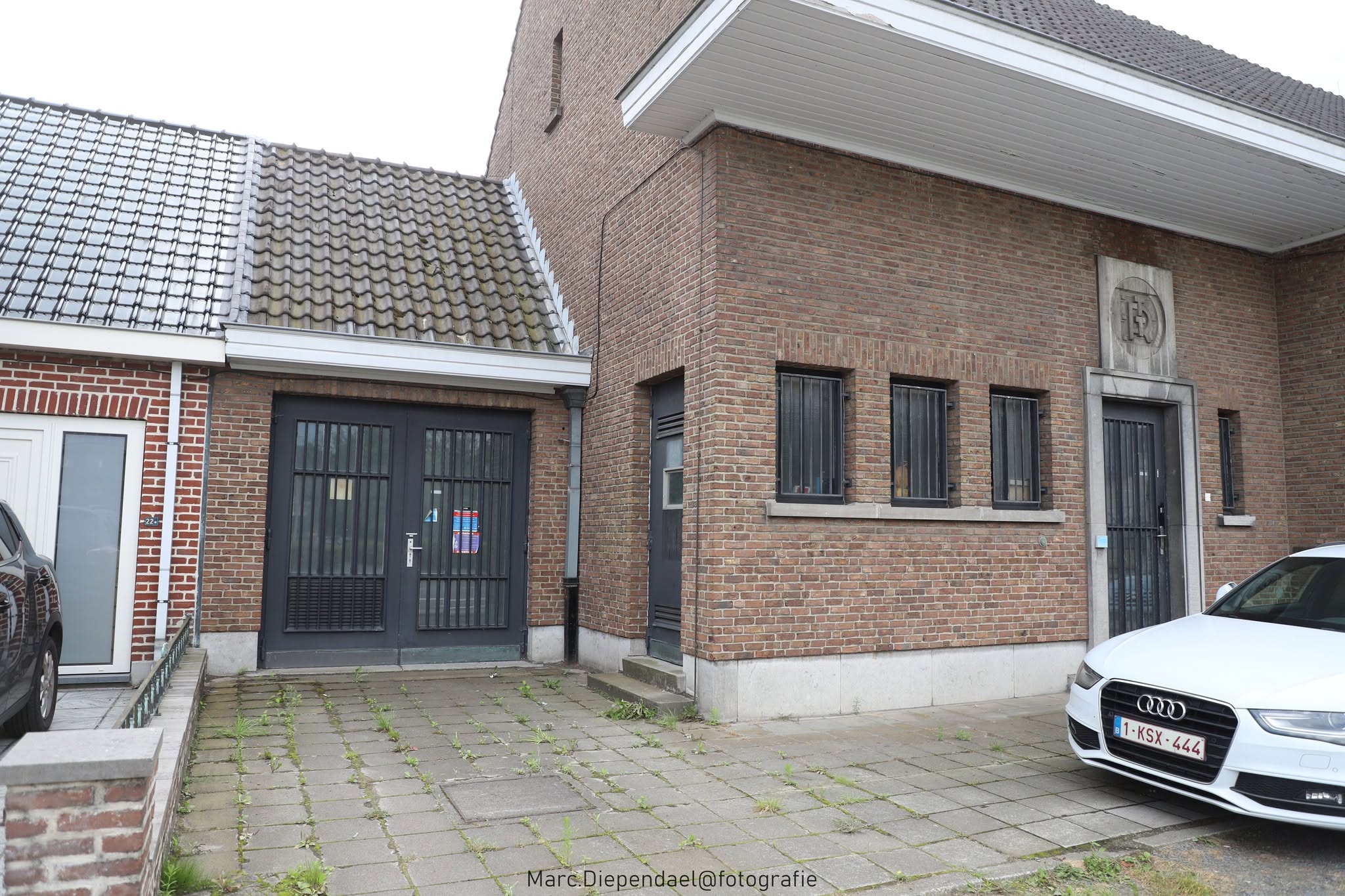
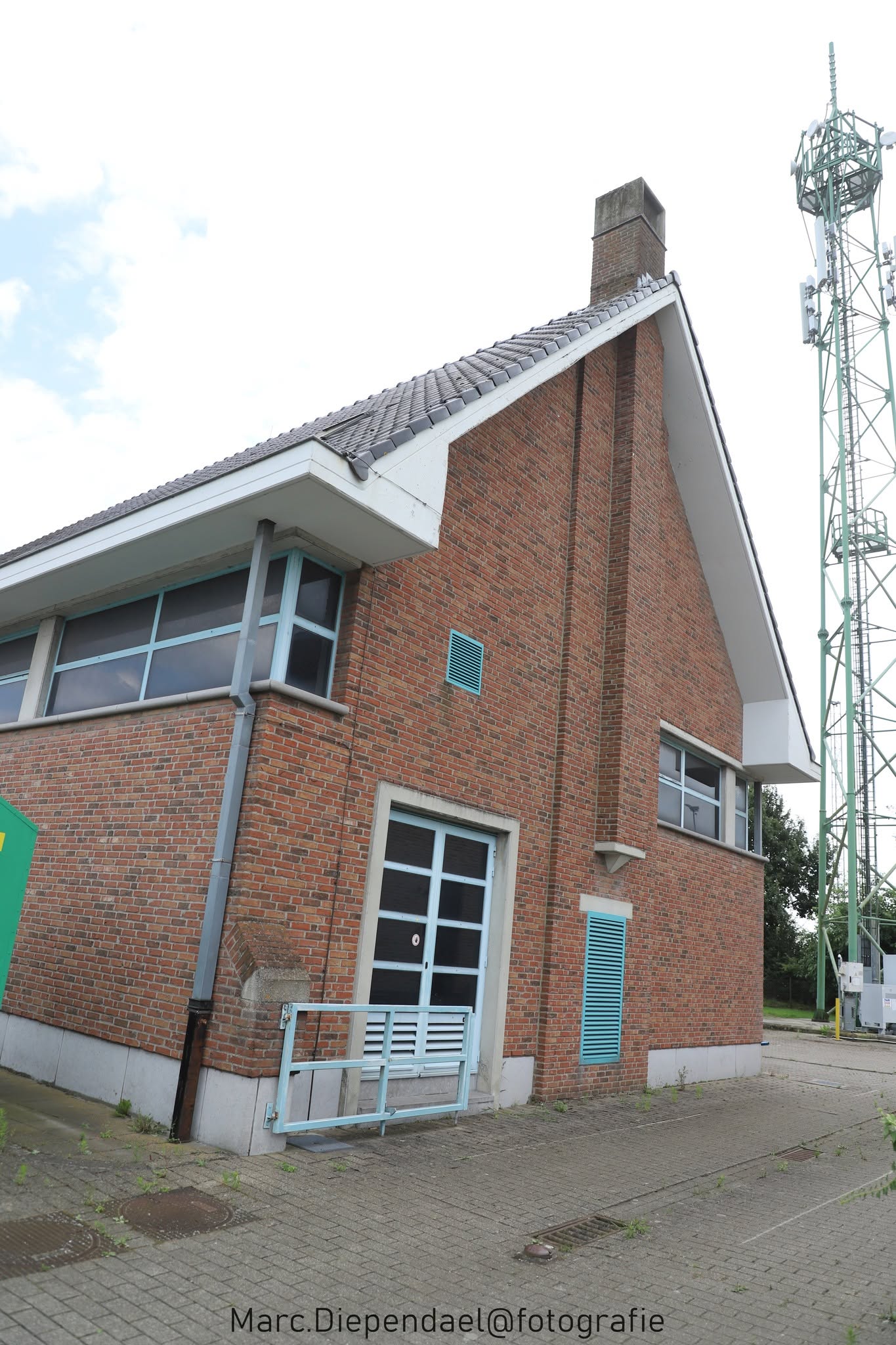
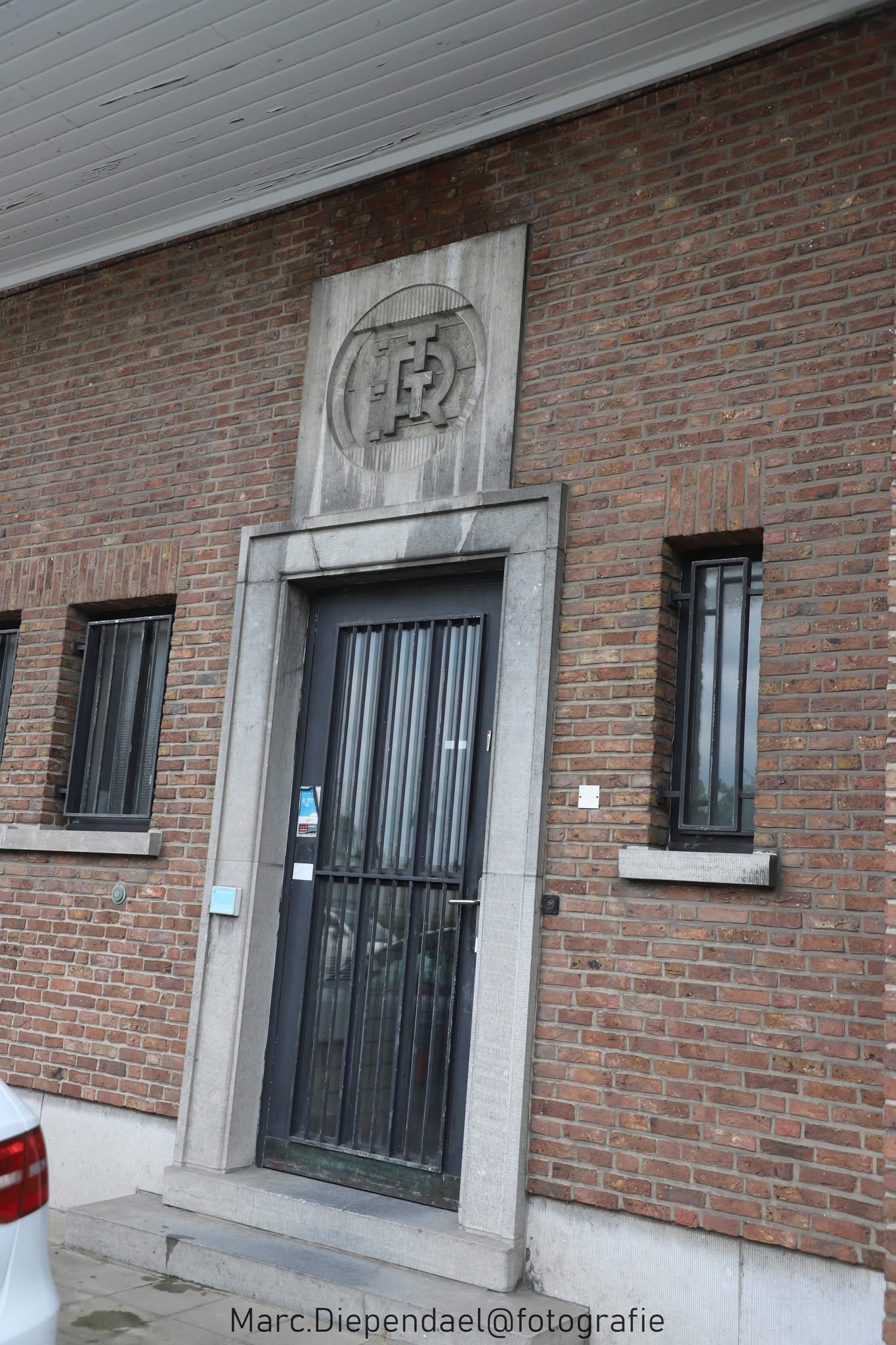
This RTT building is directly across from the NMBS station in Harelbeke
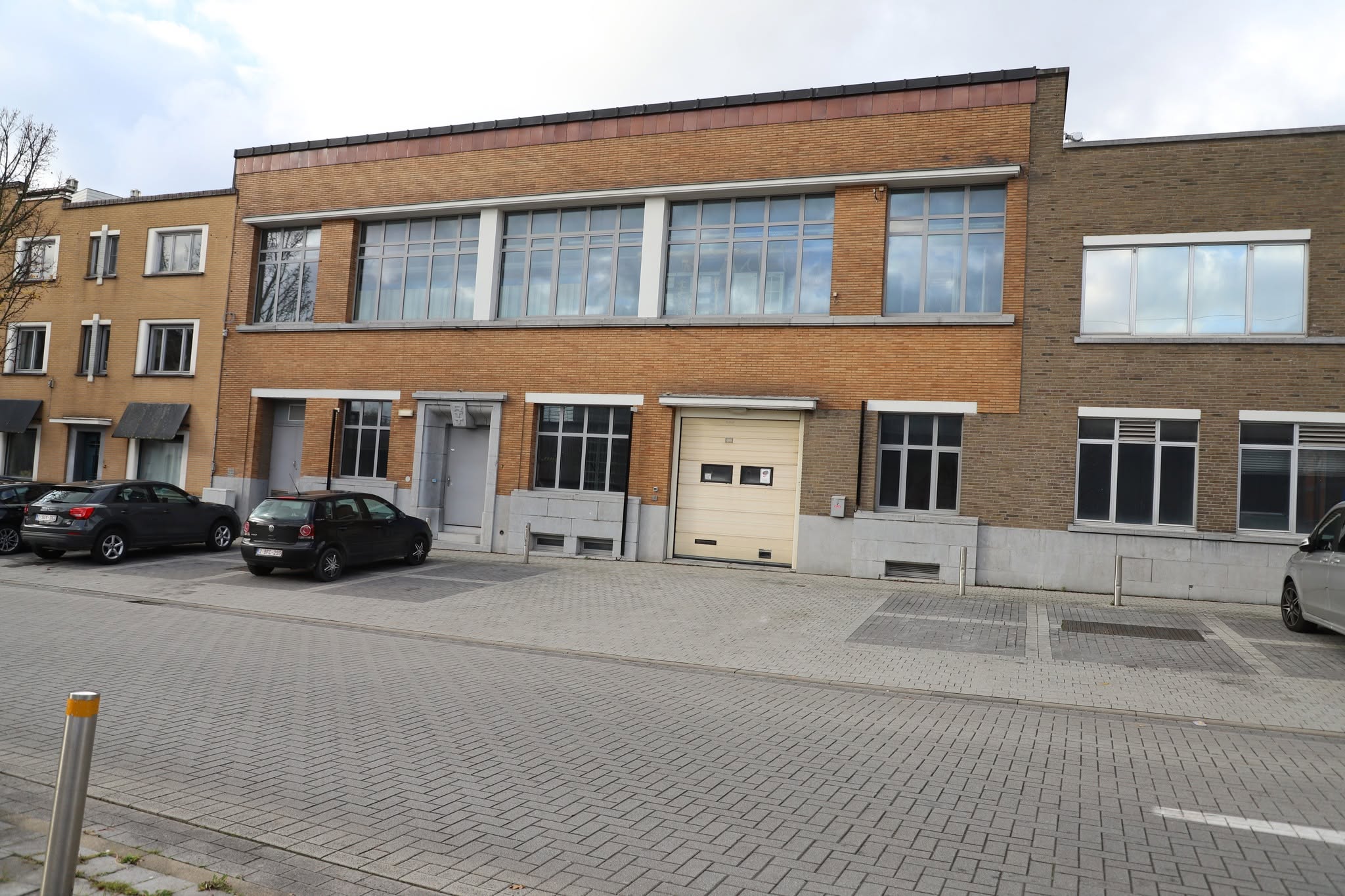
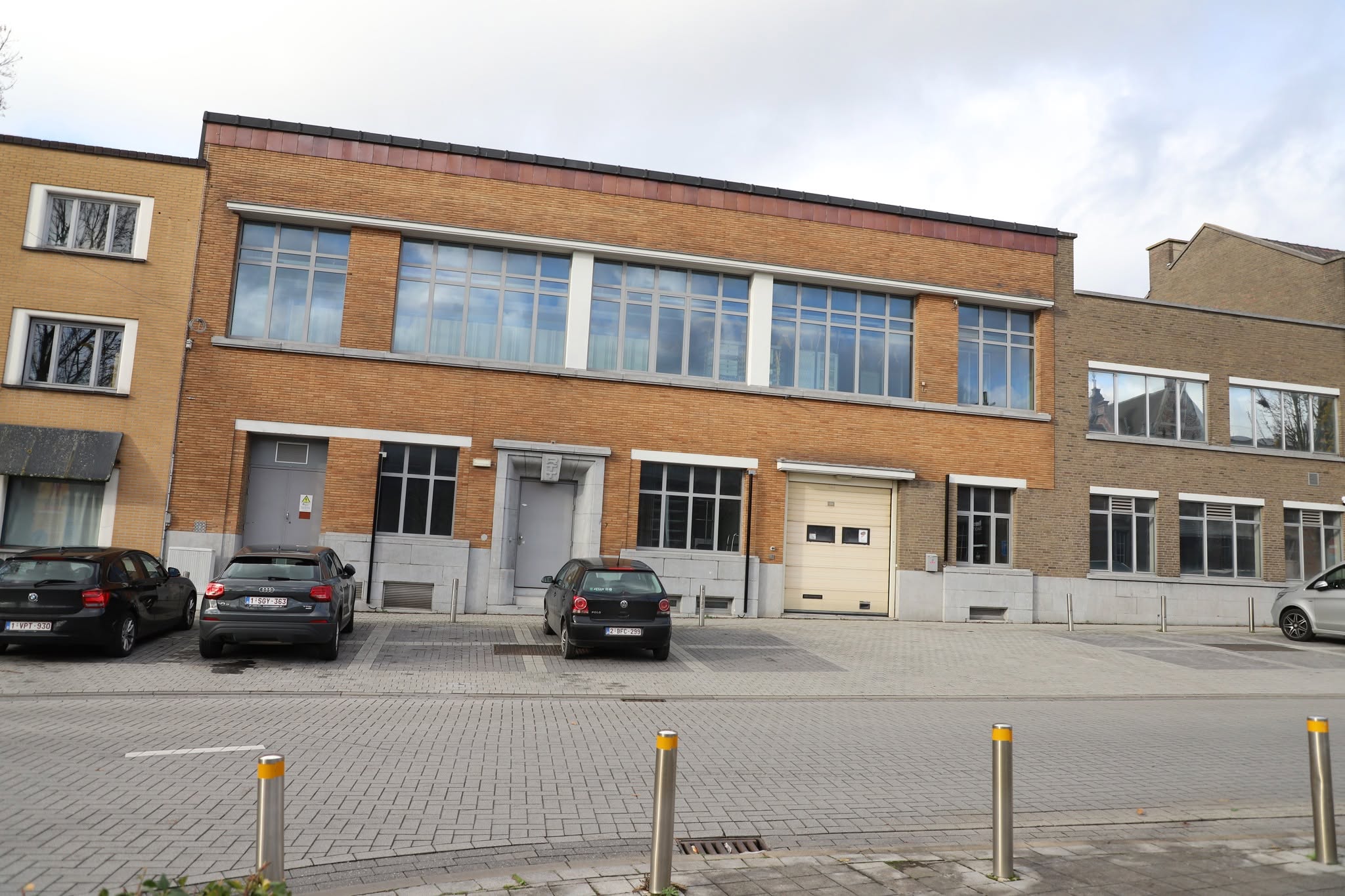
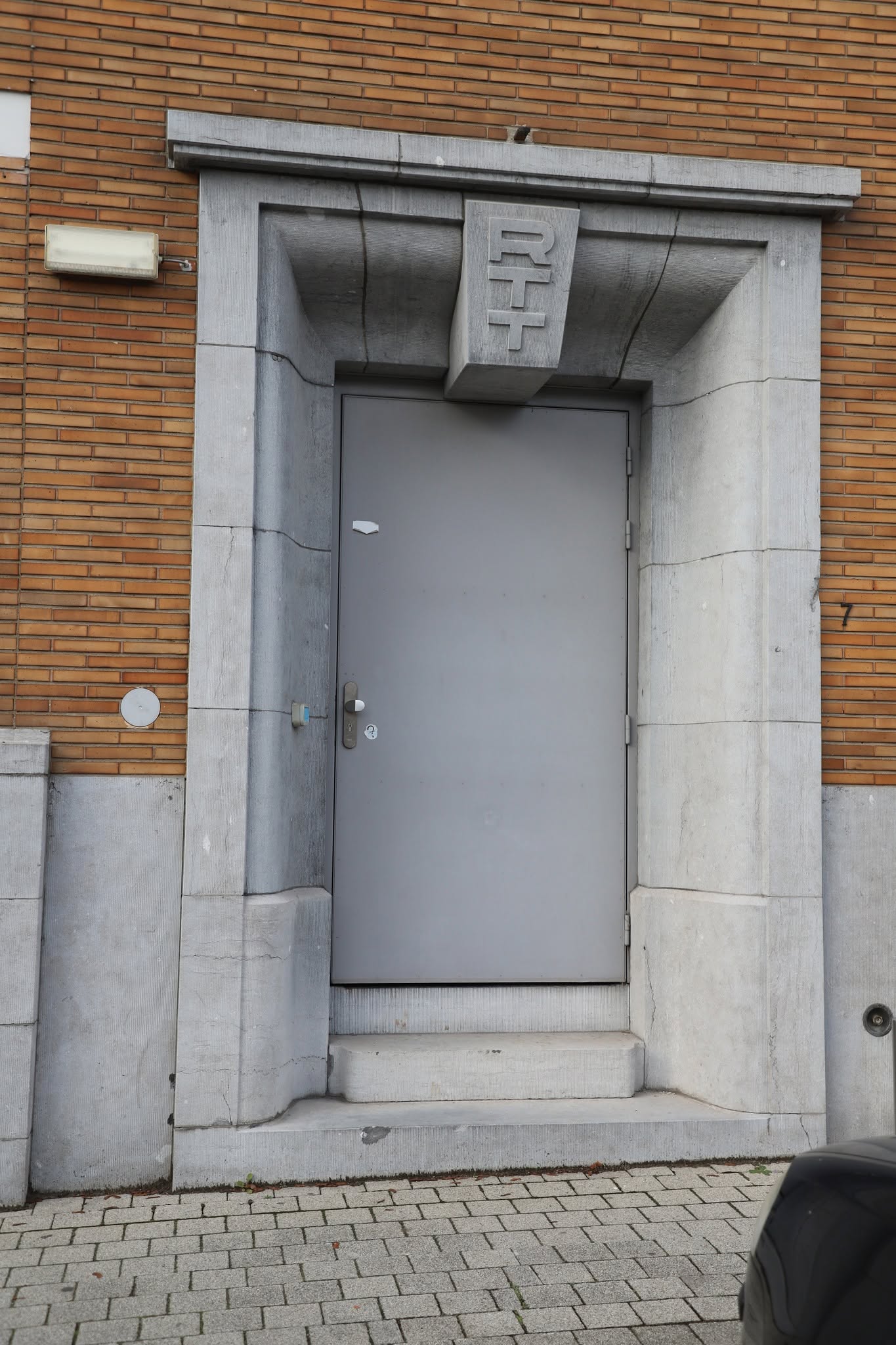
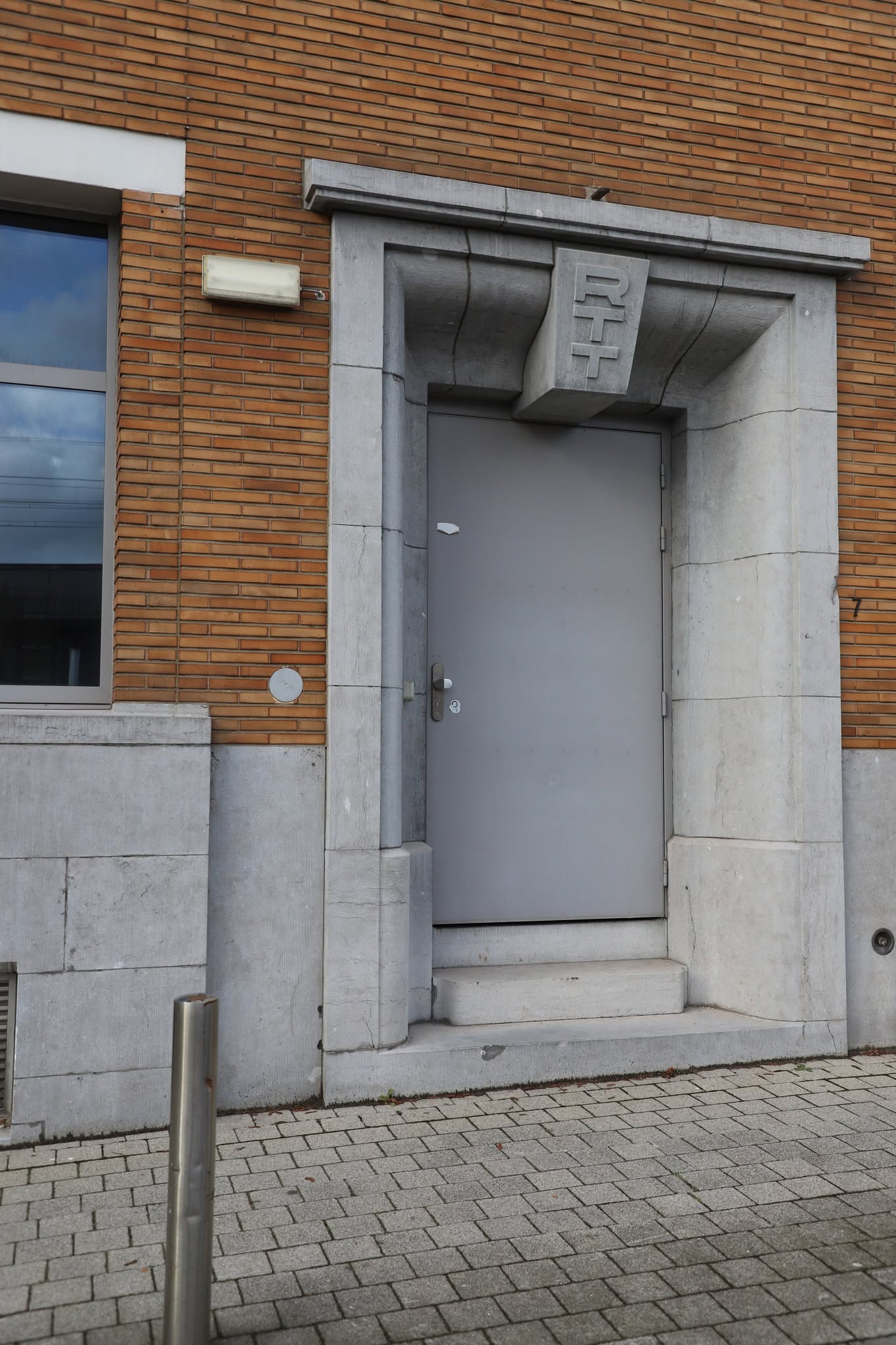
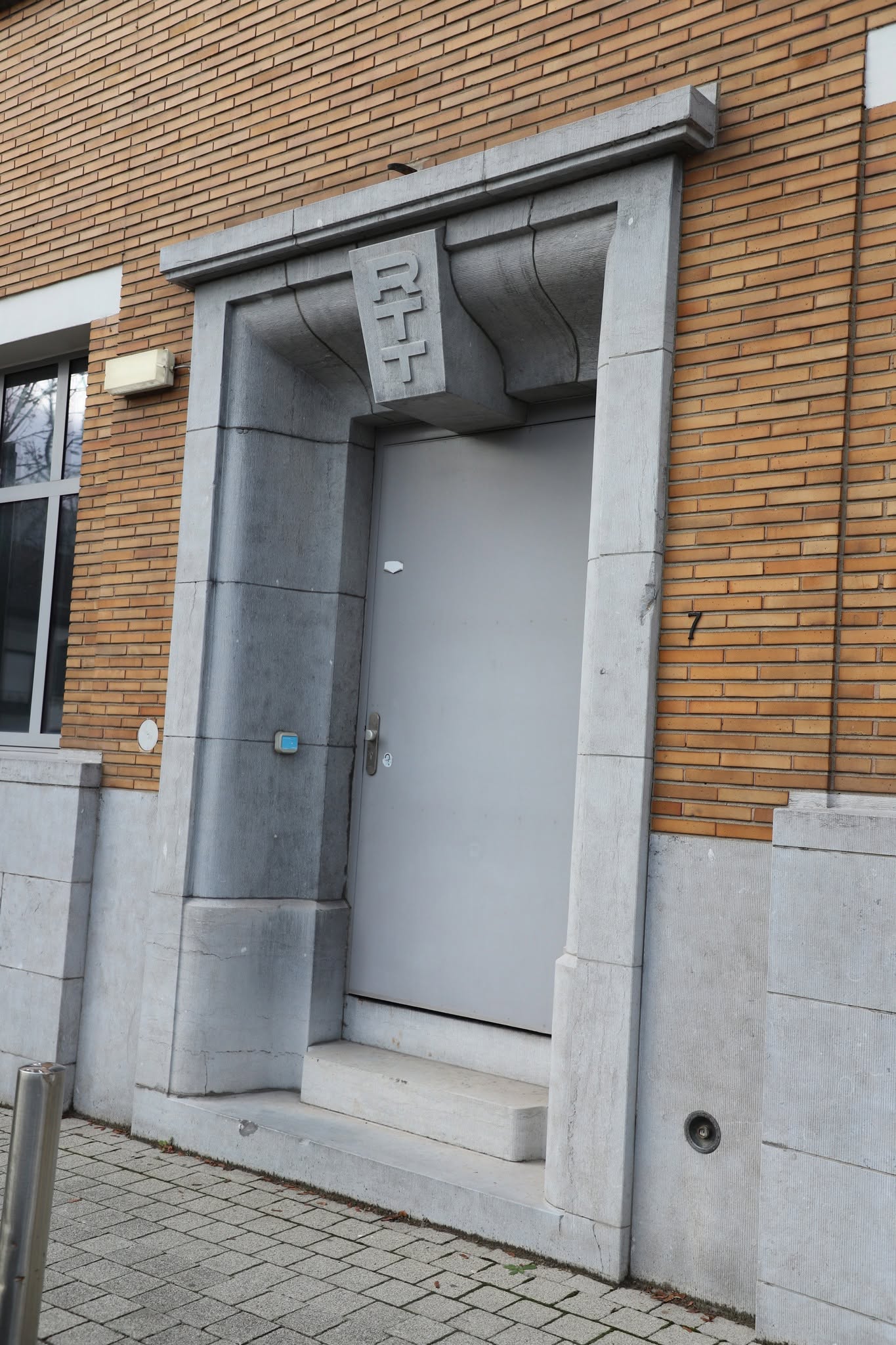
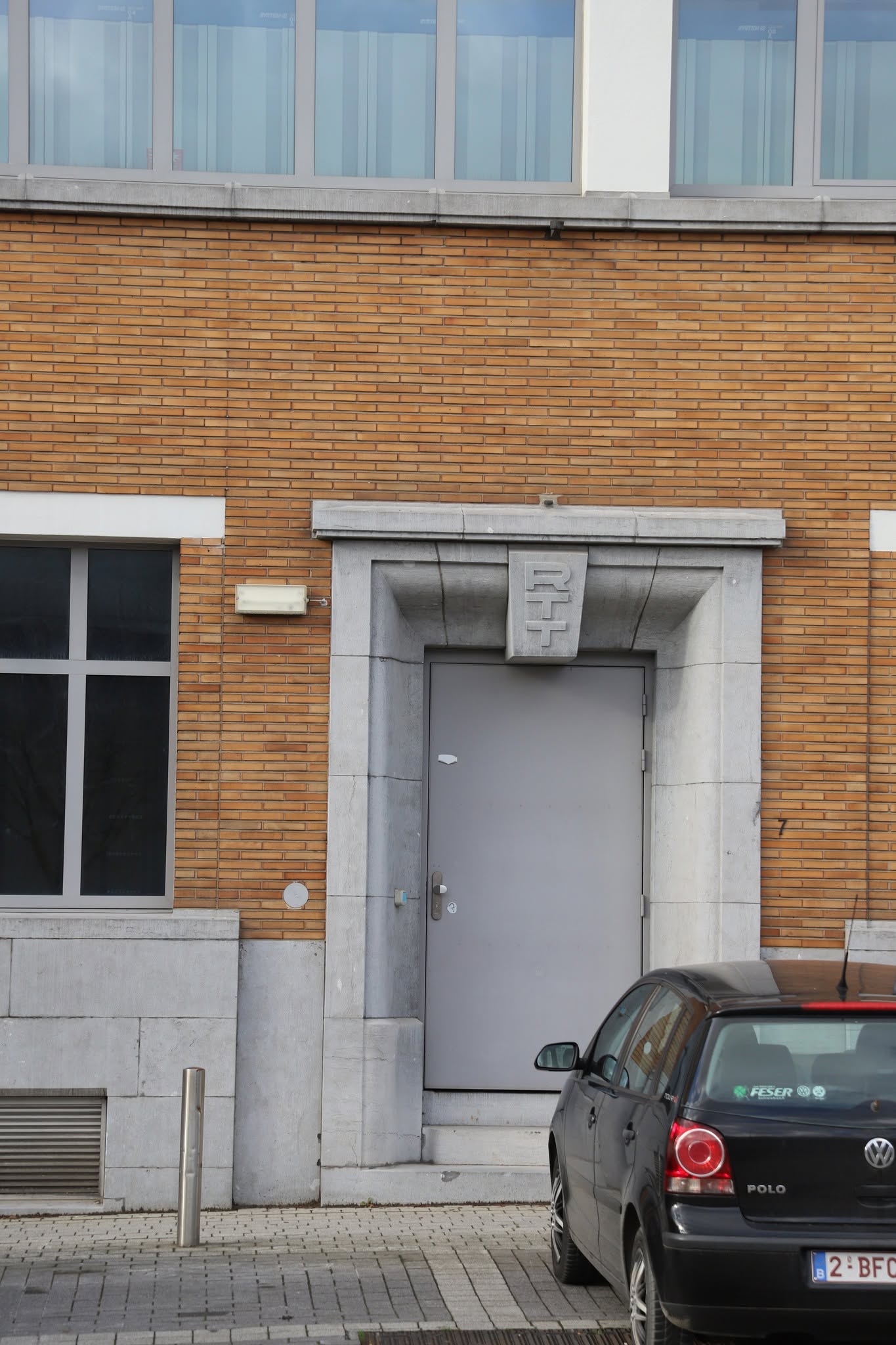
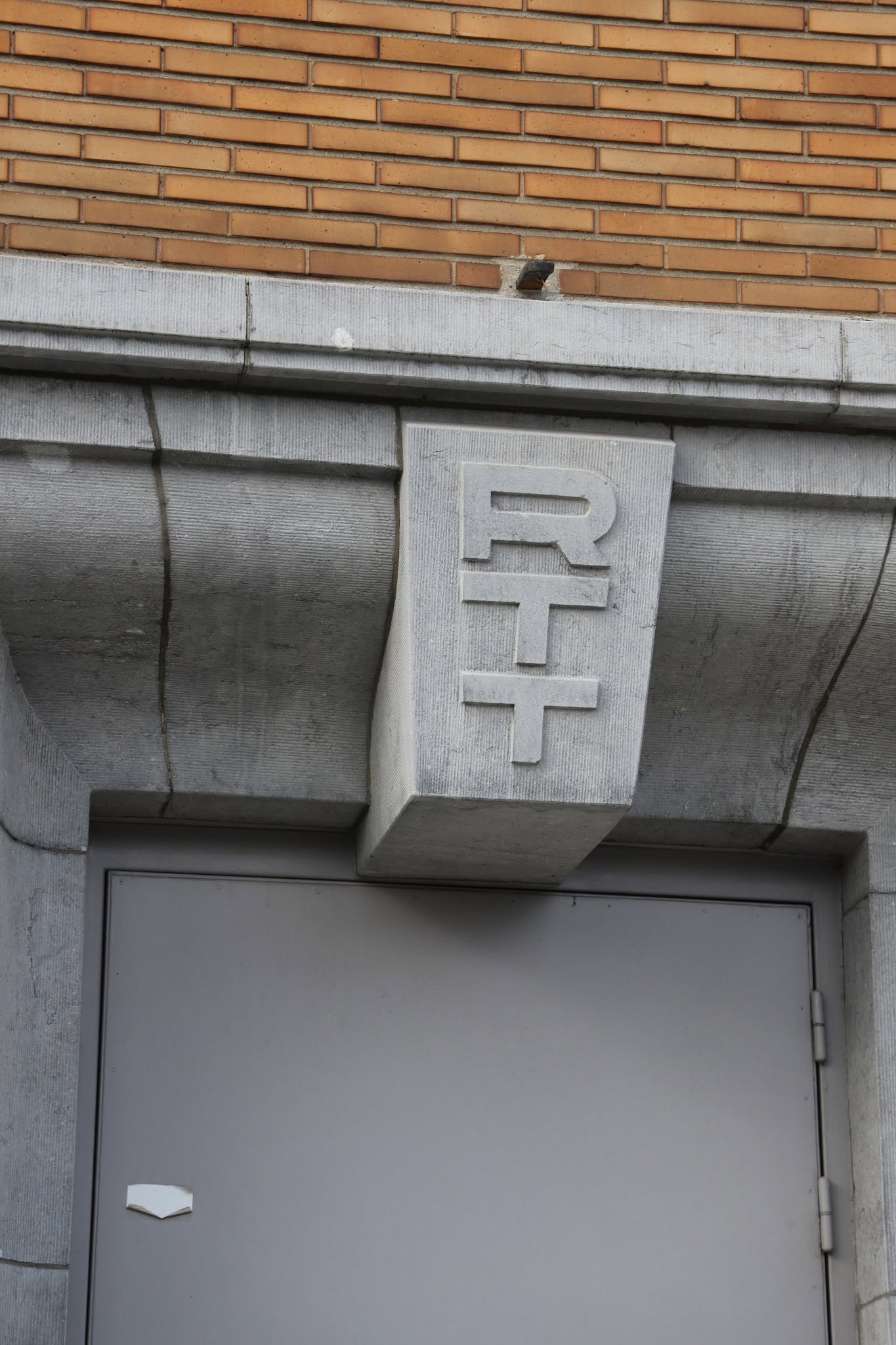
At the beginning of my career, I worked for a few months in the viewing and listening fees department.
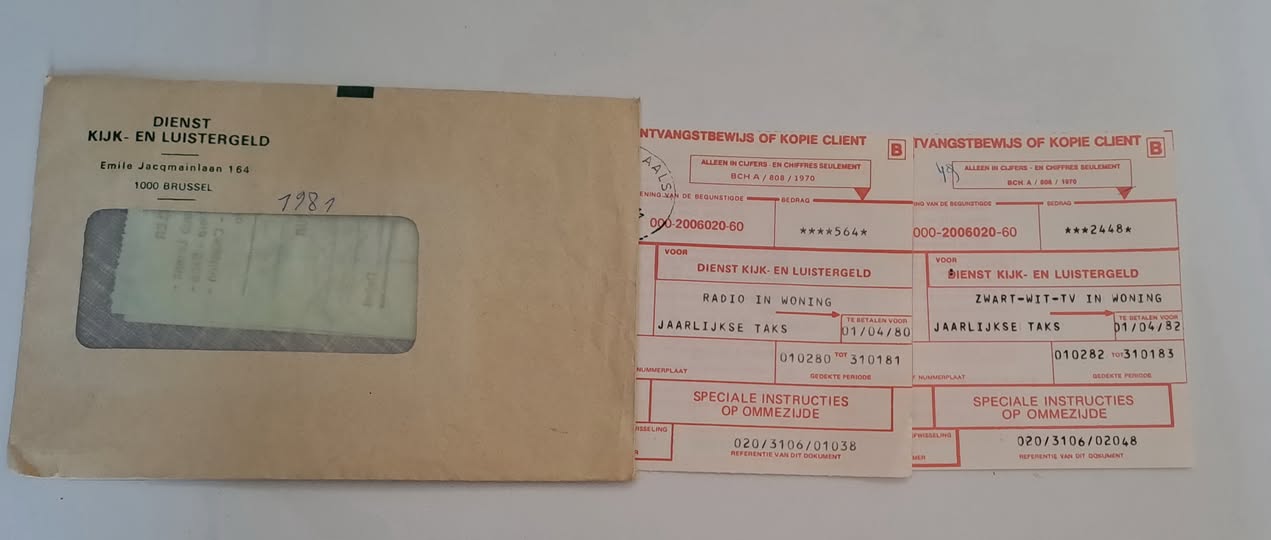
Een wast dit ons gewestgebouw
Original text, not translated (NL)
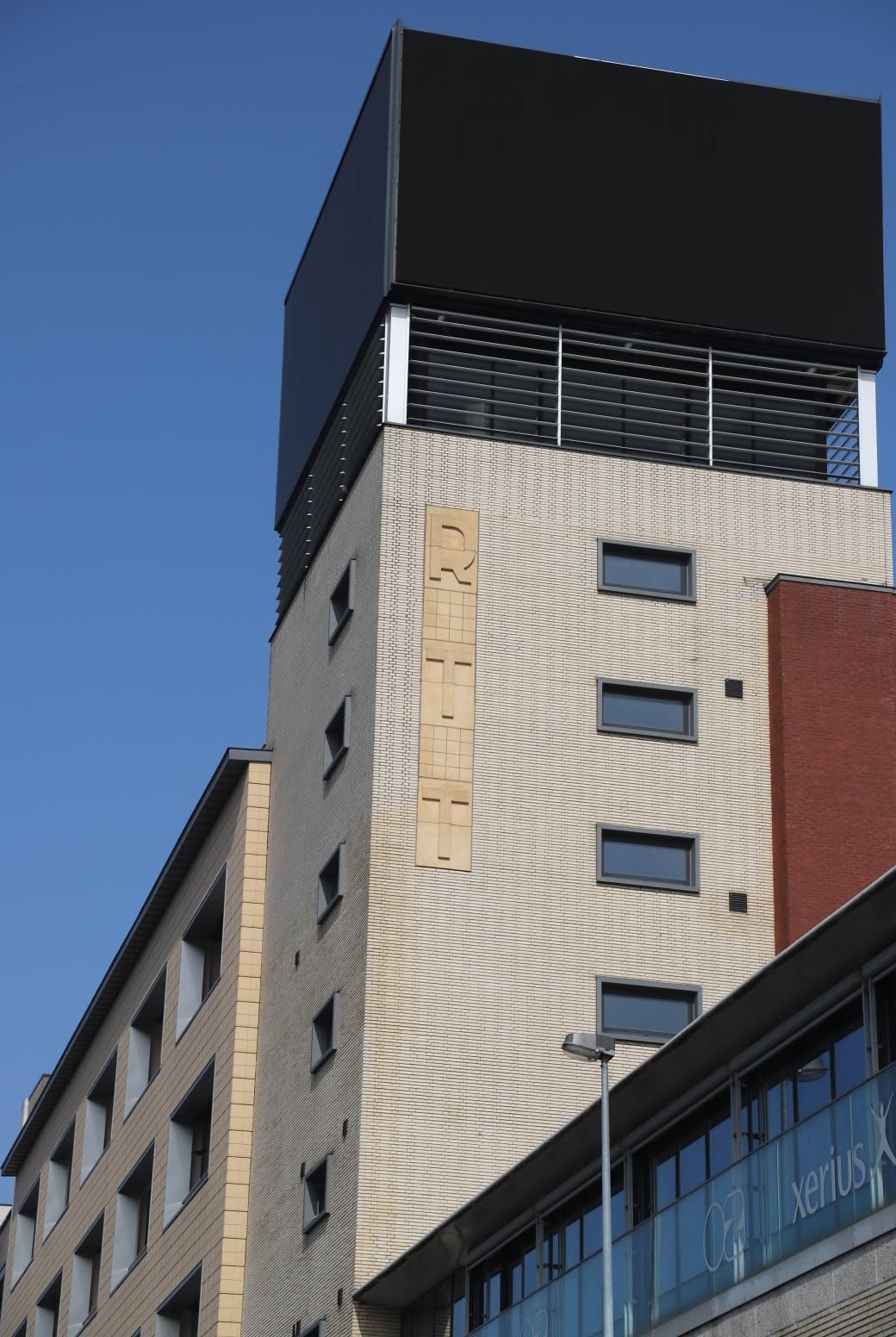
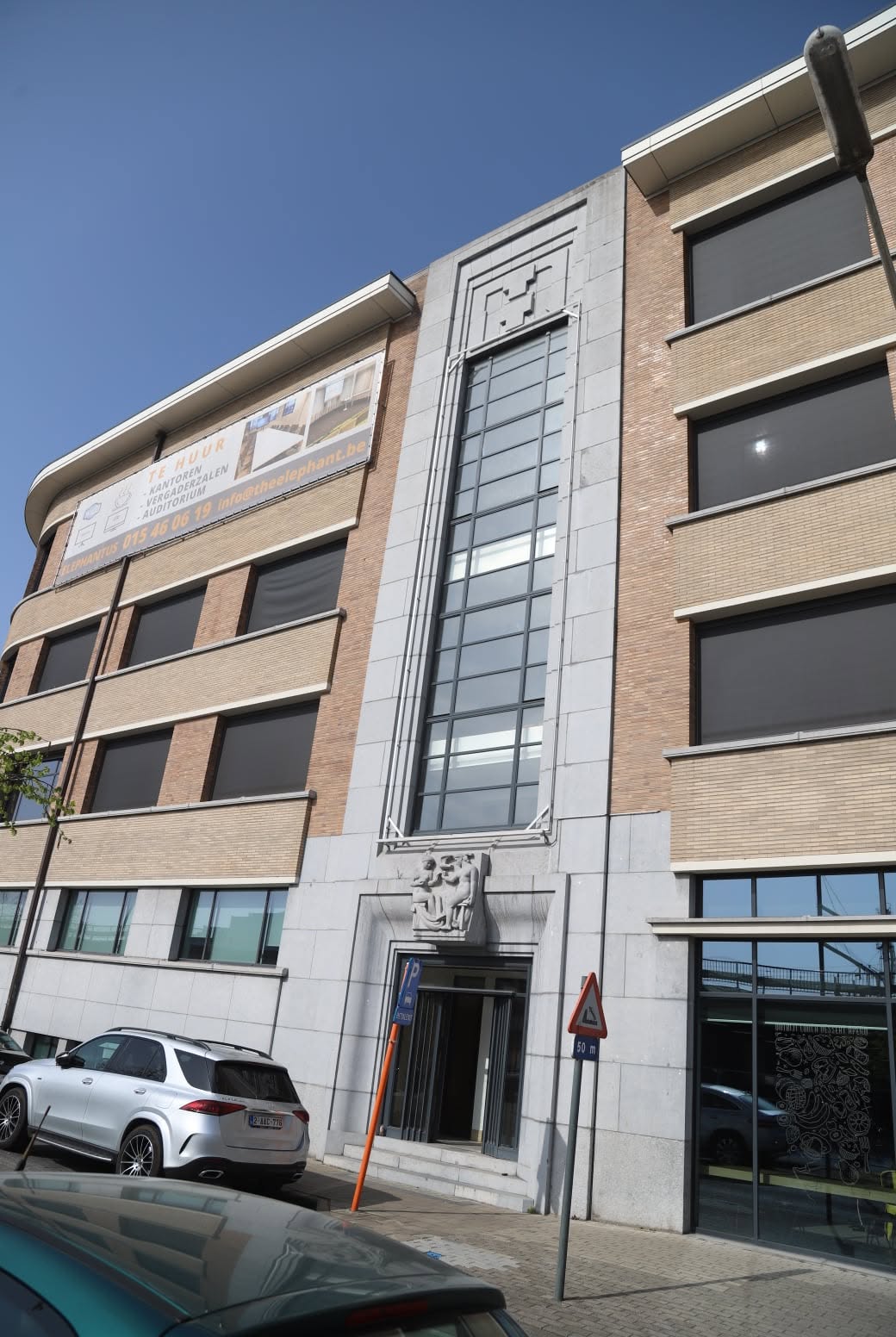
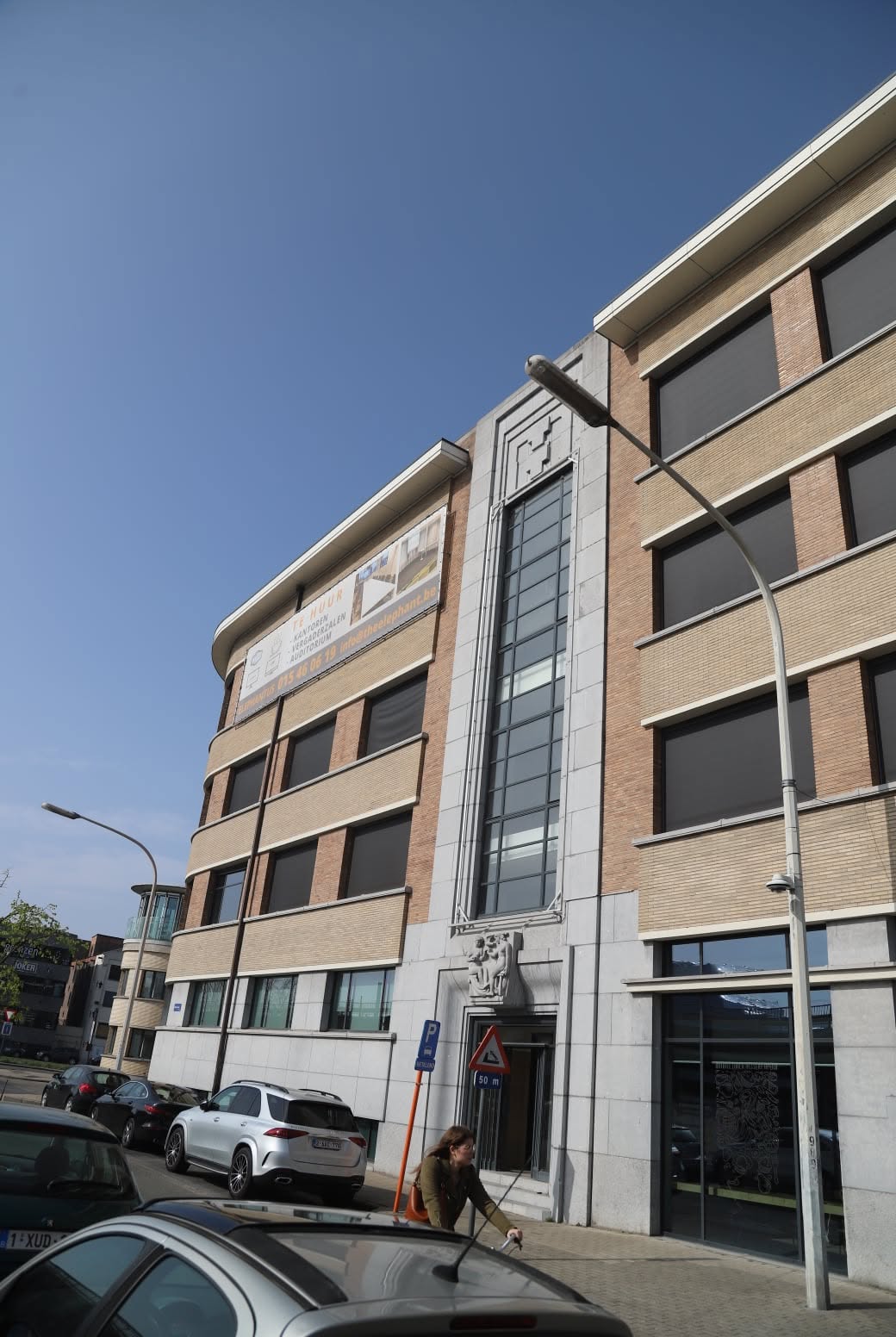
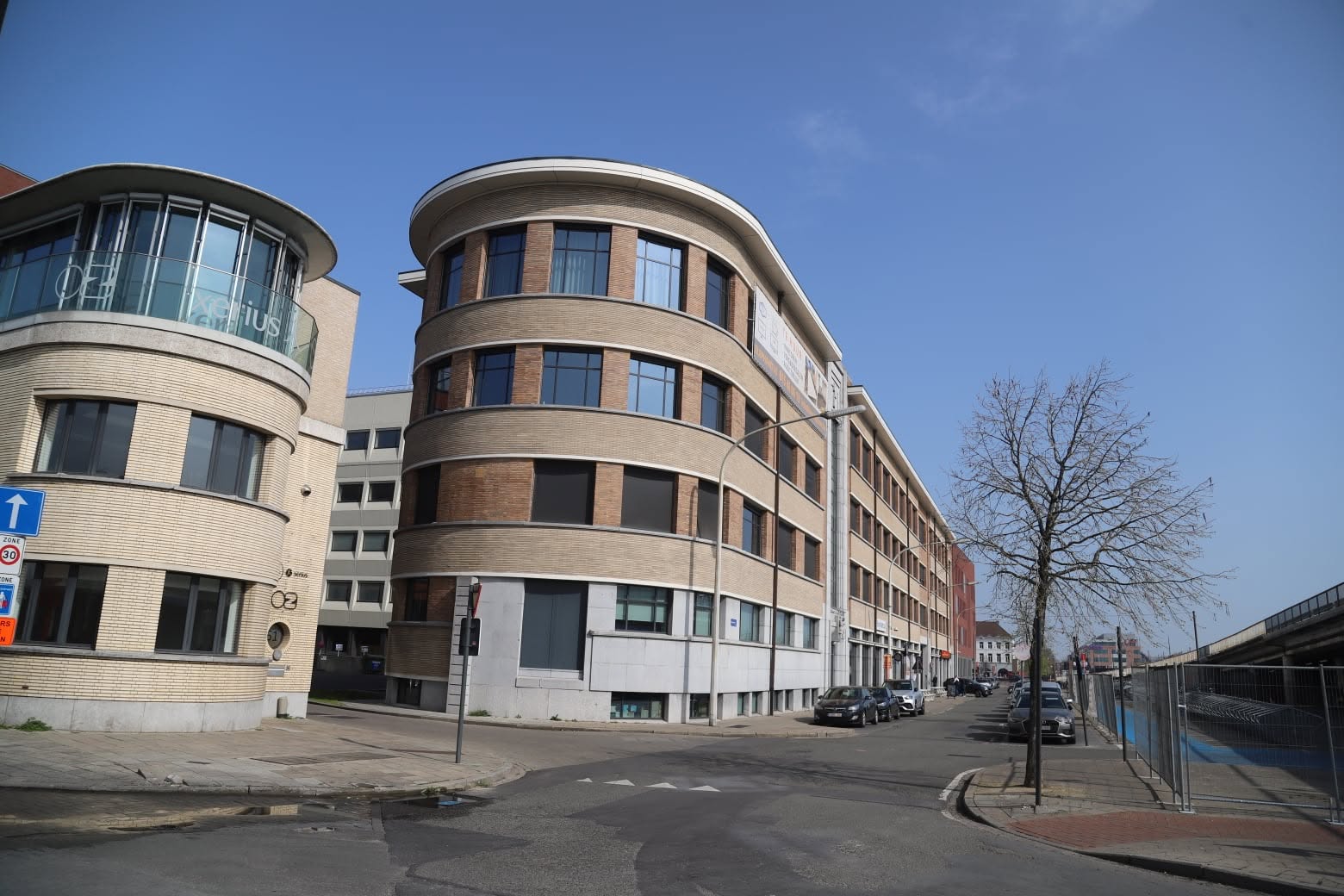
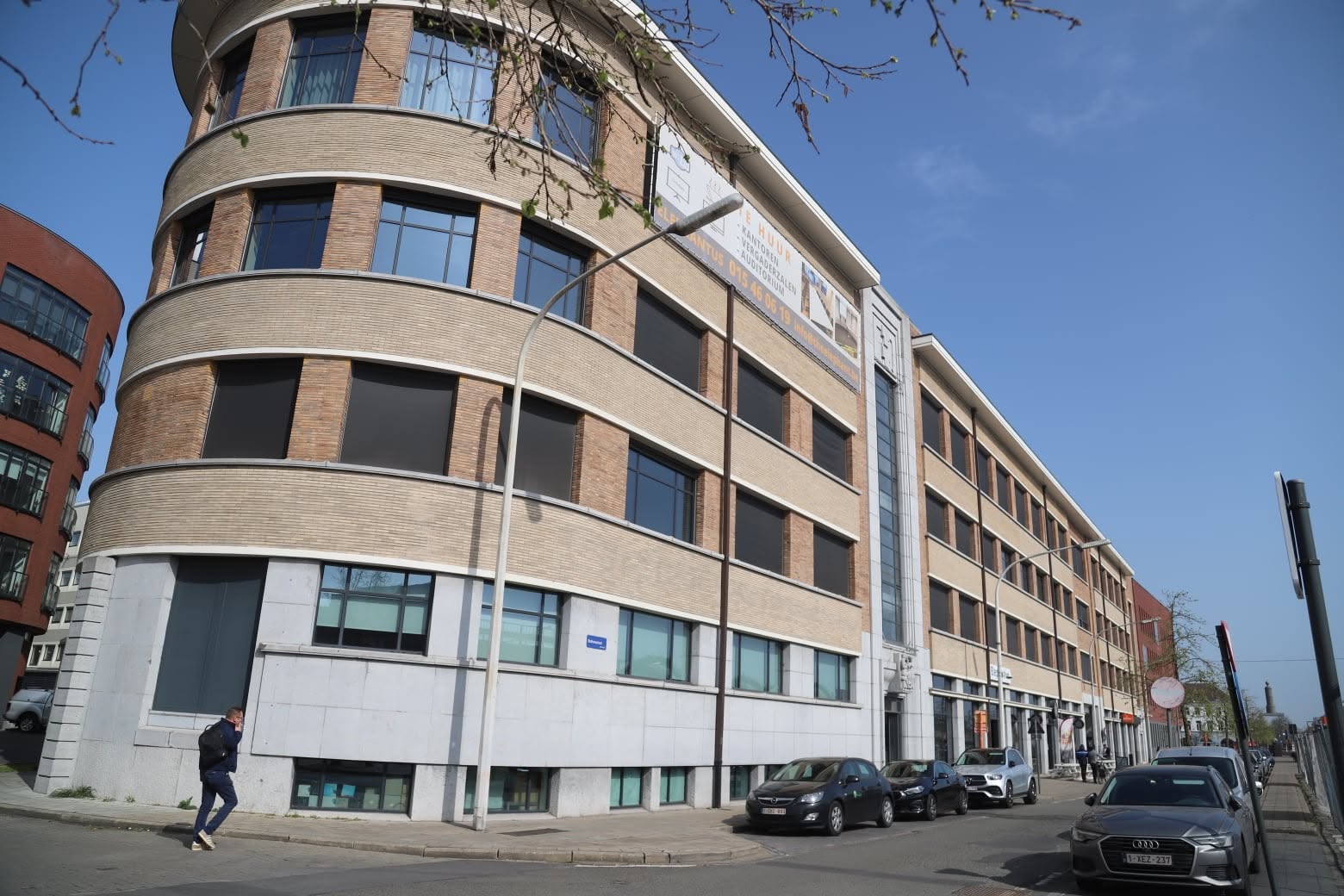
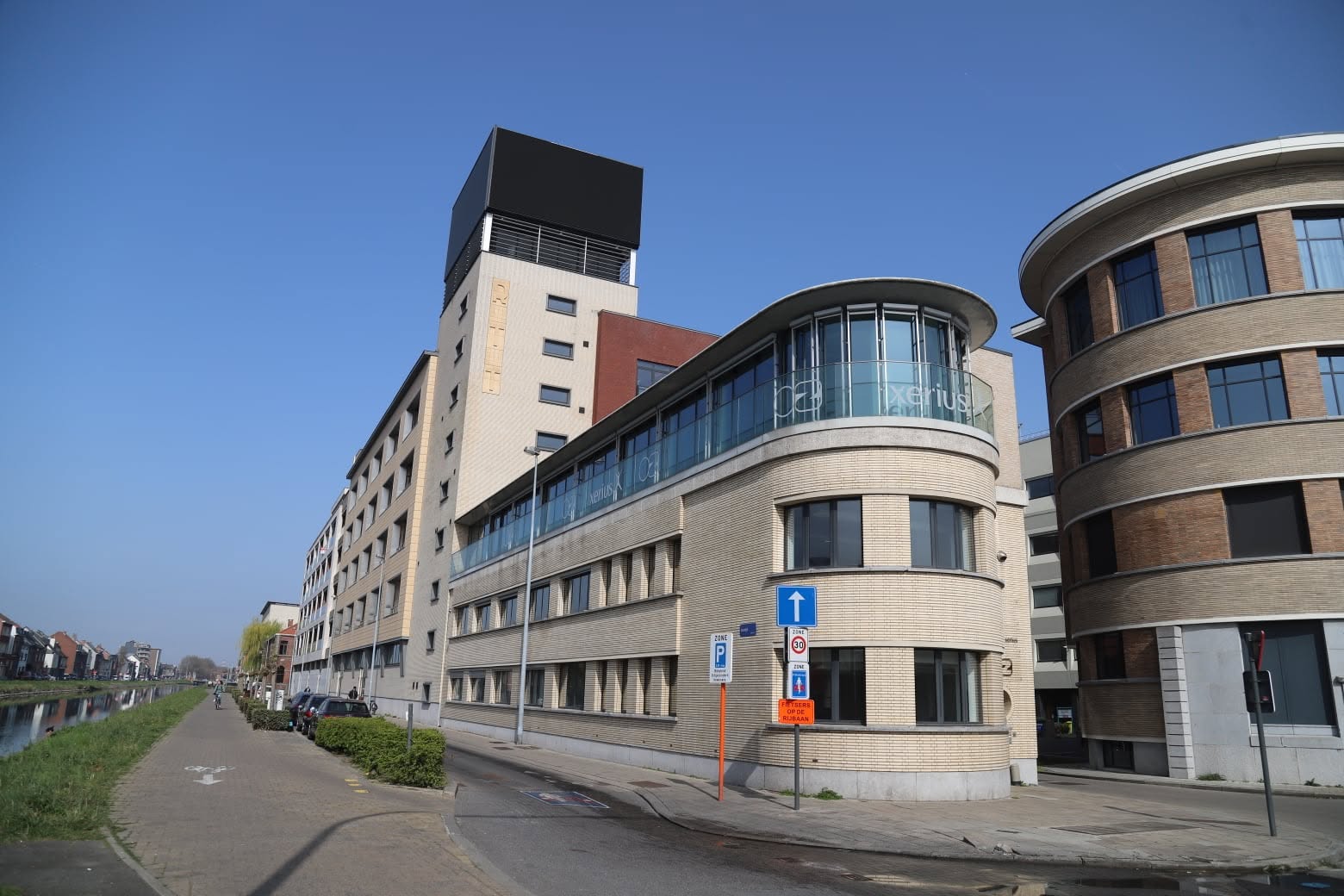
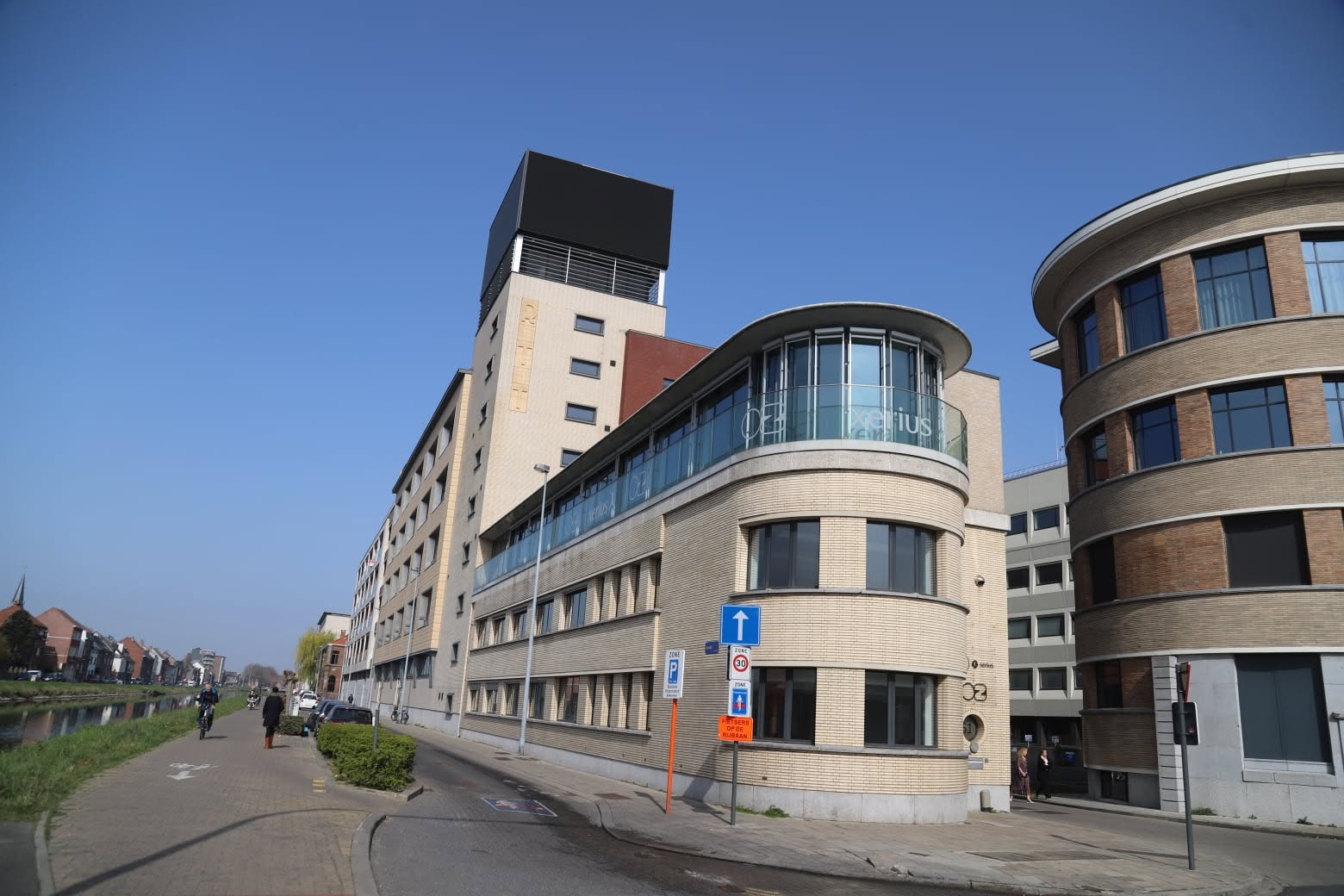
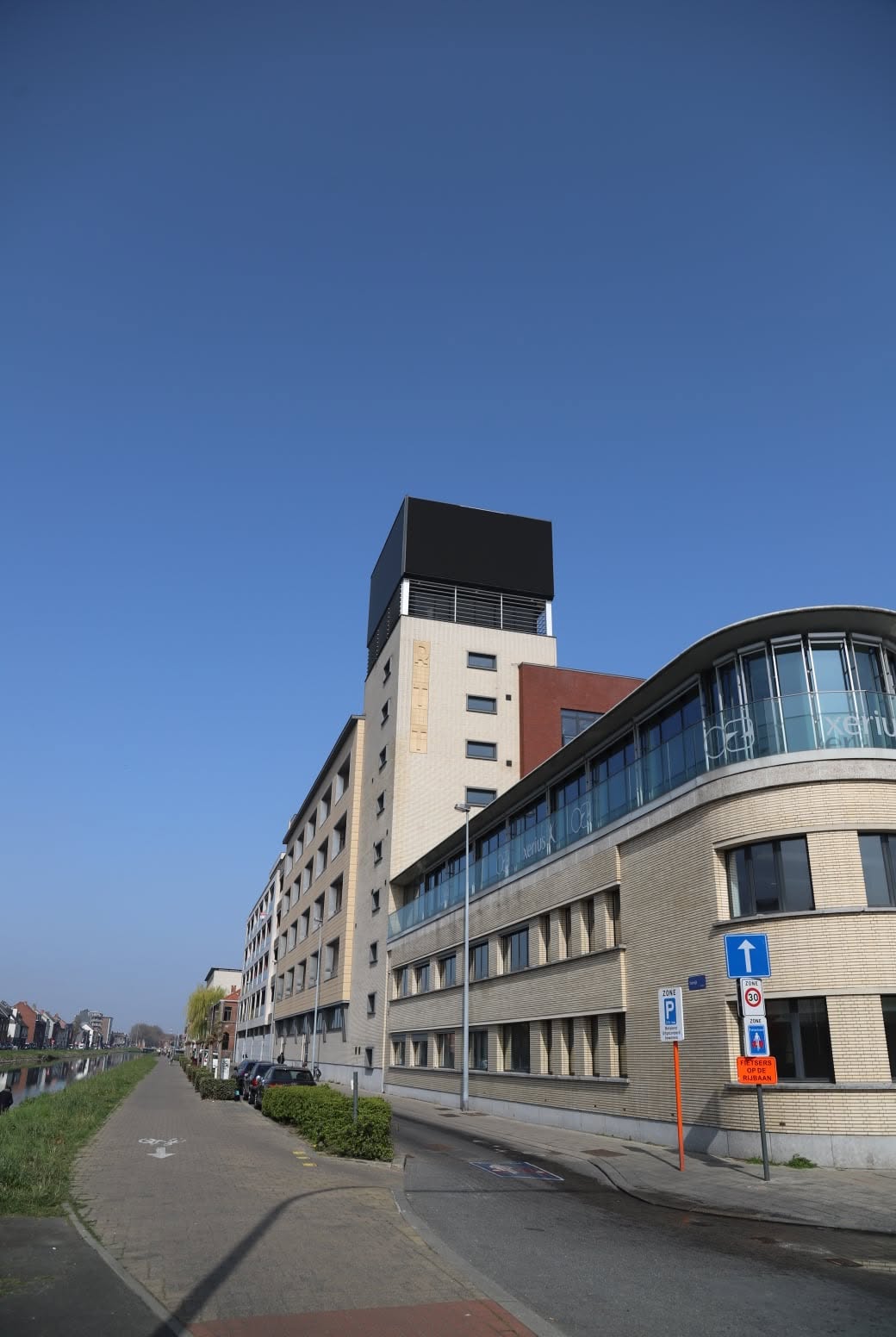
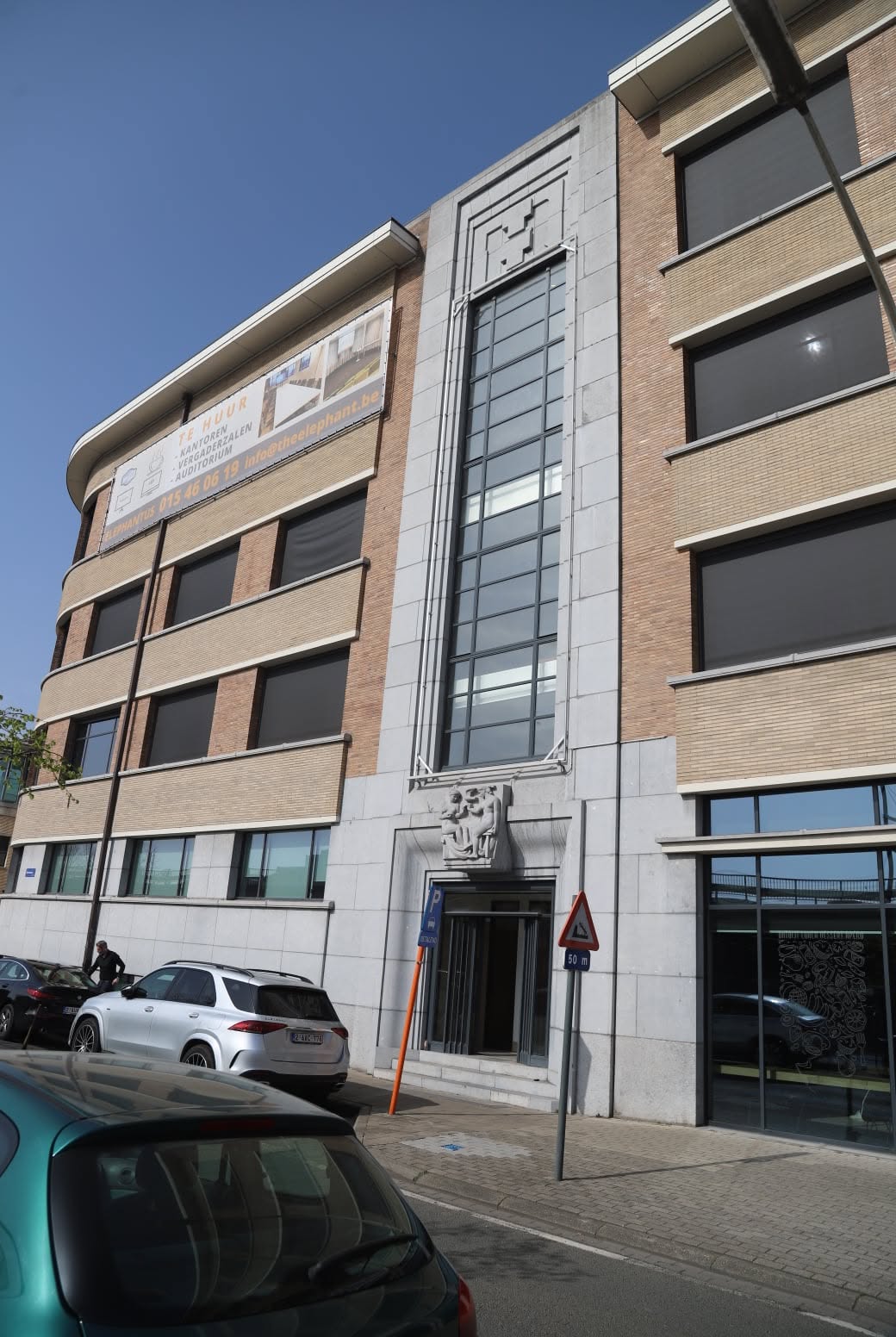
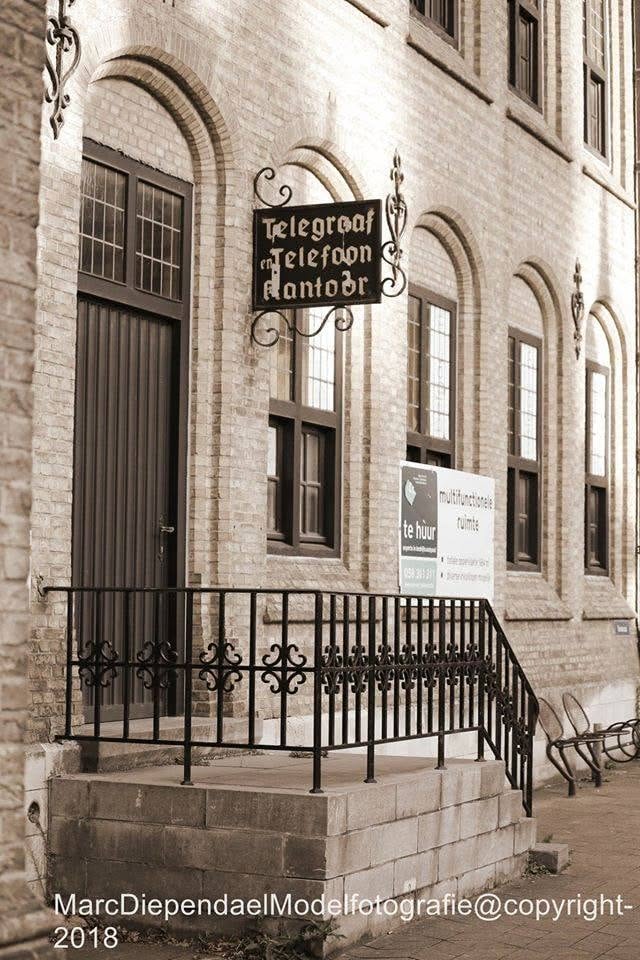
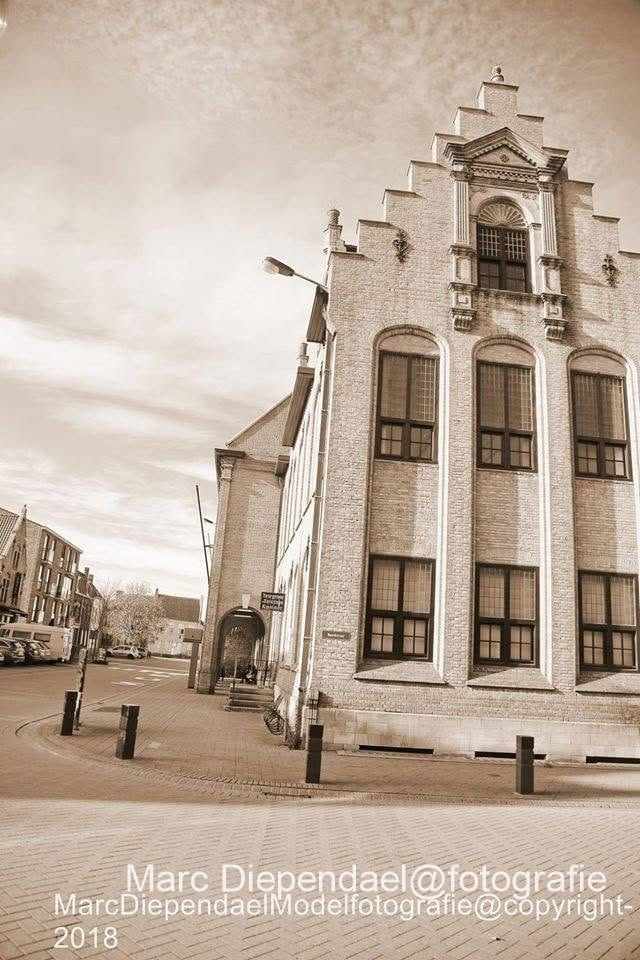
In the summer of 2018, I stumbled upon this property, which was available for rent at the time. A beautiful building