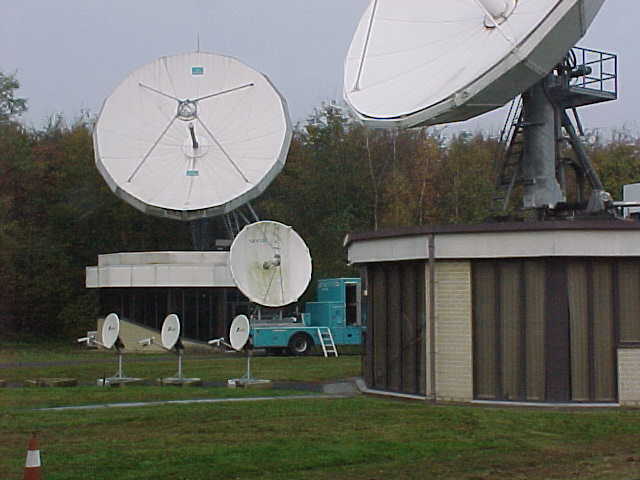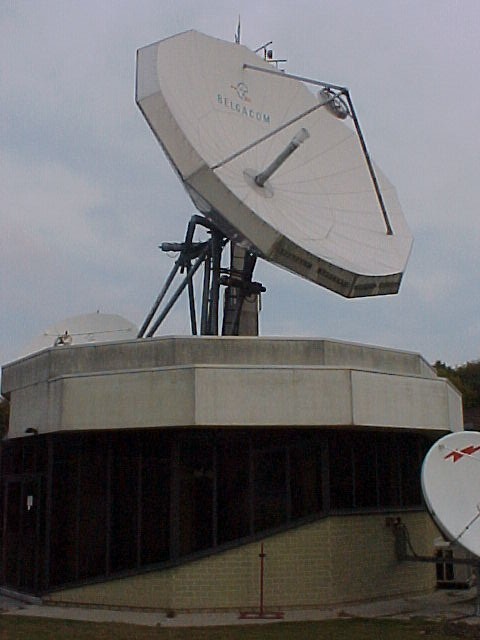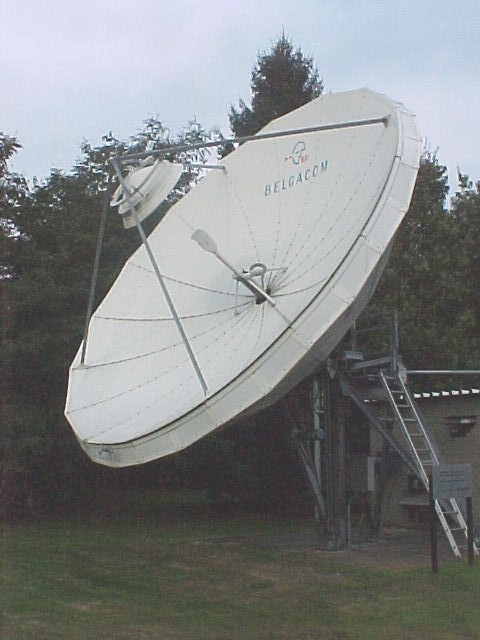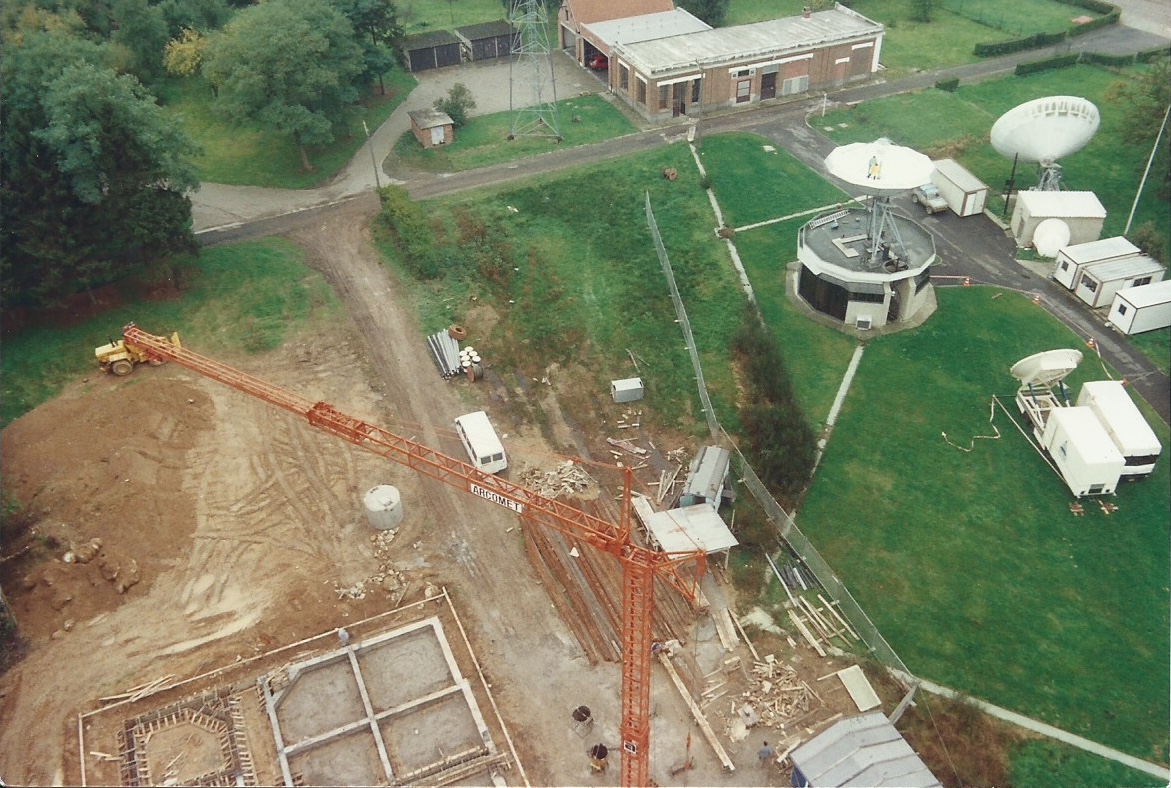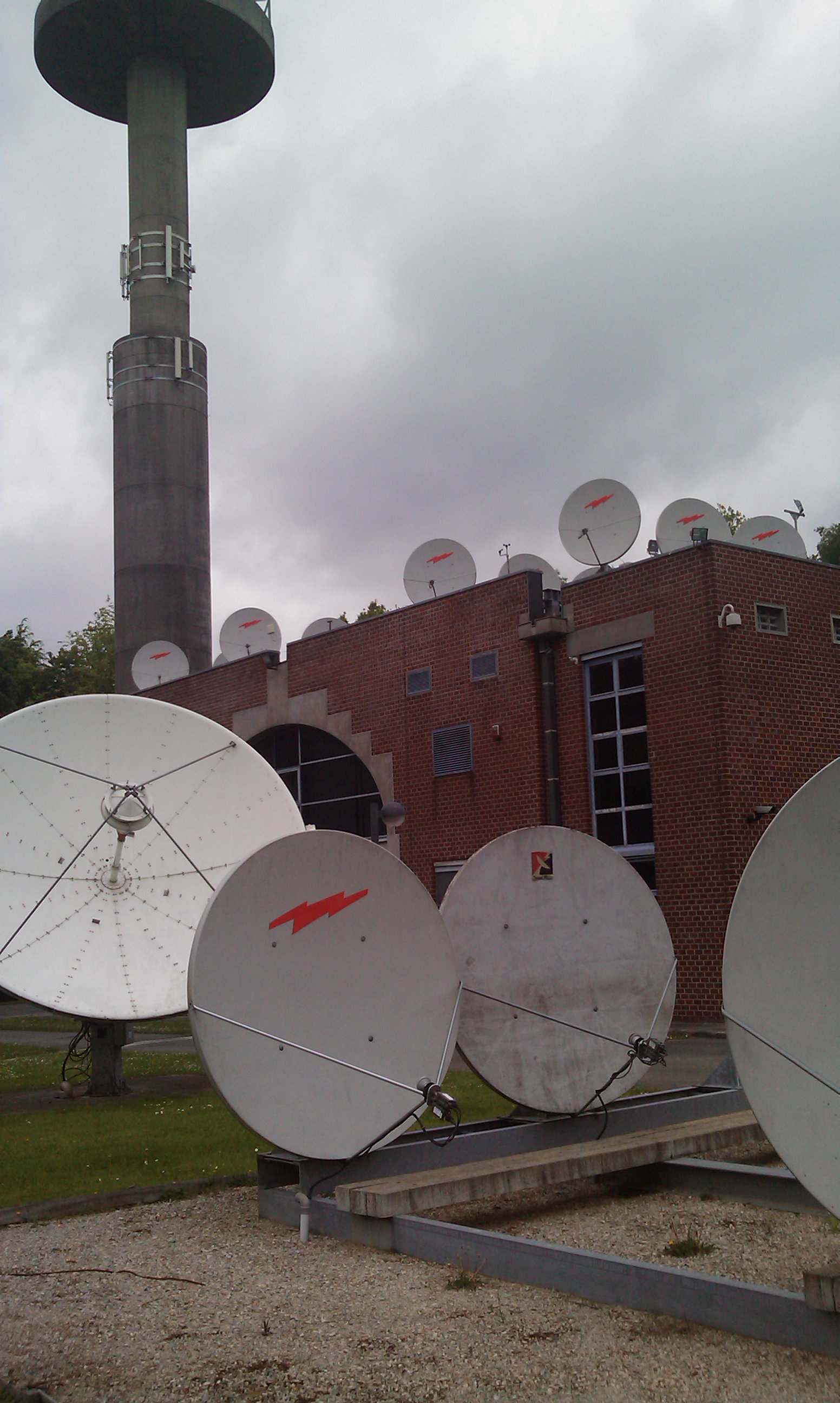
I worked there a long time ago—around the 1980s—in the welders' emergency repair service as an installer. There was also a telegraph office there at the time with four phone booths.
Anecdotes
Anecdotes & testimonies
Memories, stories and details shared by those who knew the RTT.
Do you have an anecdote to share?
A memory from the job, a story from a worksite, the name of a forgotten colleague: every testimony adds to the memory of the RTT, Belgacom and Proximus.
+ Submit an anecdote
Do you have an anecdote to share?
A memory from the job, a story from a worksite, the name of a forgotten colleague: every testimony adds to the memory of the RTT, Belgacom and Proximus.
46 anecdote(s)
Both LDCs 299 and 297 are located in the station’s large underground parking garage, but on different levels. There was even a third one located just past a service entrance to the station (if I recall correctly, a double door and immediately to the right) that had been completely removed from the records, but where a lot of equipment (racks and a switch) was still inside.
↩ Reply
Working at the “Regie” fostered a strong bond through technical collaboration. For example, all RTT technicians and engineers came together from all corners of Belgium to keep the 54GER site operational. For your information: The RTT cell towers at most RTT telephone exchanges across Belgium were designed in the 1980s by Robby Mast, Ir.
↩ Reply
The "89GEN" telephone exchange was first upgraded from an analog to a semi-digital system in the 1980s. It was the GTD-5 EAX exchange, and it was impressive to see how quickly the technology of that time was evolving.
↩ Reply
De 48V volt van het gebouw werd in Juni 2025 afgeschakeld. De volledige ontmanteling volgde nadien. De ge-ïnterseerden zouden er een koffiebraderij in onder brengen
Original text, not translated (NL)
↩ Reply
De 48V volt van het gebouw werd in maart 2026 afgeschakeld. De volledige ontmanteling volgt in de komende maanden
Original text, not translated (NL)
↩ Reply
De 48V volt van het gebouw werd in Juni 2025 afgeschakeld. De volledige ontmanteling volgde nadien
Original text, not translated (NL)
↩ Reply
De 48V volt van het gebouw werd in mei 2025 afgeschakeld. De volledige ontmanteling volgde nadien
Original text, not translated (NL)
↩ Reply
Dit gebouw staat te koop, zal verlaten worden in 2027
Original text, not translated (NL)
↩ Reply
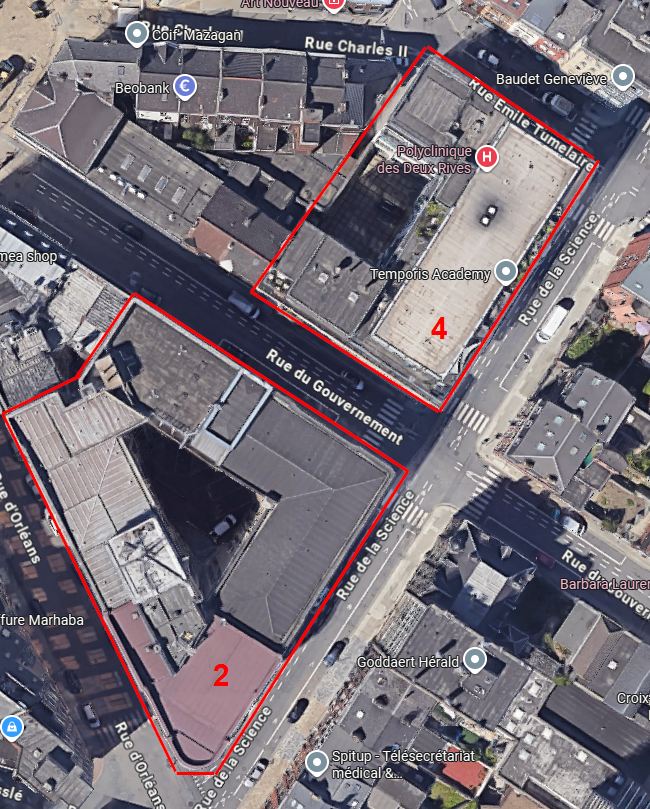
This refers to the building located at 2 Rue de la Science, since RTT_BGC_PXS also owned a large building at 4 Rue de la Science, separated by Rue du Gouvernement. An underground passage runs beneath this street and connects the two sites. The building at No. 4 was sold in ??? and has been converted into apartments (access to the underground passage has been closed).
↩ Reply
A few years ago, I had a visit from a former employee who had worked in the electromechanical room in Luttre, a space located on the street side, across from the railroad tracks. He told me that once, he had a problem with the switches that occurred intermittently and that he couldn’t figure out what was causing it. After several days or weeks, he realized that the problem occurred every time a freight train passed on the tracks.
↩ Reply
The Verviers telephone exchange was beginning to become overloaded. It needed to expand, and Pepinster was in an ideal location. A telephone exchange was installed on the first floor of the post office on Avenue de la Gare. After a few years of operation, it became the first automated exchange in the metropolitan area. It didn't take long for the Telephone Authority to realize that the Pepinster network would eventually become overloaded. Already, with an eye toward the long-term future, on February 8, 1933, the Régie purchased a plot of land and a house on Rue du Duc. This was no easy task: suddenly, there were many interested buyers for these properties, located right in the heart of Pepinster and away from heavy traffic. Administrative formalities would drag the process out. It will be necessary to purchase and exchange land or buildings in order to create a cohesive whole. It will even be necessary to buy a building, demolish it, and cede a three-meter strip of land to provide easy access to another property. These sales and purchases will ultimately be finalized after the liberation in 1944. It was about time. On August 7, 1946, there were 342 subscribers in Pepinster. The telephone exchange at the post office had a capacity of 400 lines. On May 10, 1947, the Regie filed an application to build a telephone exchange on Rue du Duc, with a capacity of 800 lines. That capacity was quickly outgrown, and today, the 1946 figure has increased fivefold. While the choice of Rue du Duc as the site for this telephone exchange may have been somewhat arbitrary, this location is situated almost at the center of a large population center comprising the neighboring municipalities. Including Pepinster and Cornesse, the network extends down the valley to the Purgatoire Bridge; it covers the municipalities of Wegnez, Soiron, and even Xhendelesse.
↩ Reply
Next to the historic building, a new structure was erected around 2016 to take over the Antwerp-Centrum service node. On April 14, 2017, the first portion of the telephone and internet traffic was routed through it.
↩ Reply
The building's 48V power supply was shut off in July 2025. Complete demolition followed shortly thereafter. The latest information is that the building has been sold and is scheduled to be demolished.
↩ Reply
Telecom traffic will be moved out of the old building in the fall of 2026
↩ Reply
The building's 48V power supply was shut off in July 2026. Complete dismantling will follow
↩ Reply
The building's 48-volt power supply was shut down in 2025. Complete dismantling followed shortly thereafter. During these dismantling operations, a subcontractor was involved in a serious accident.
↩ Reply
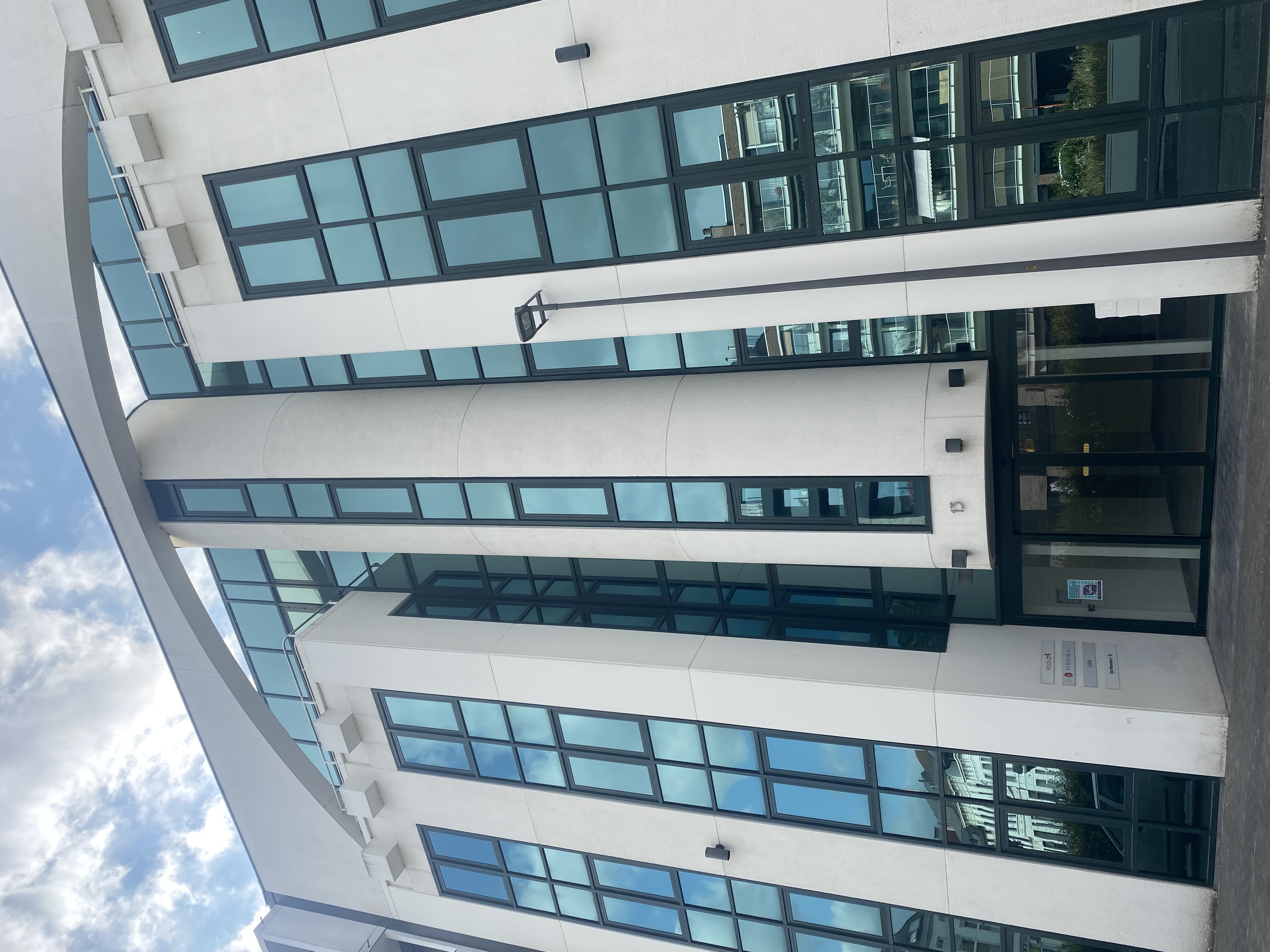
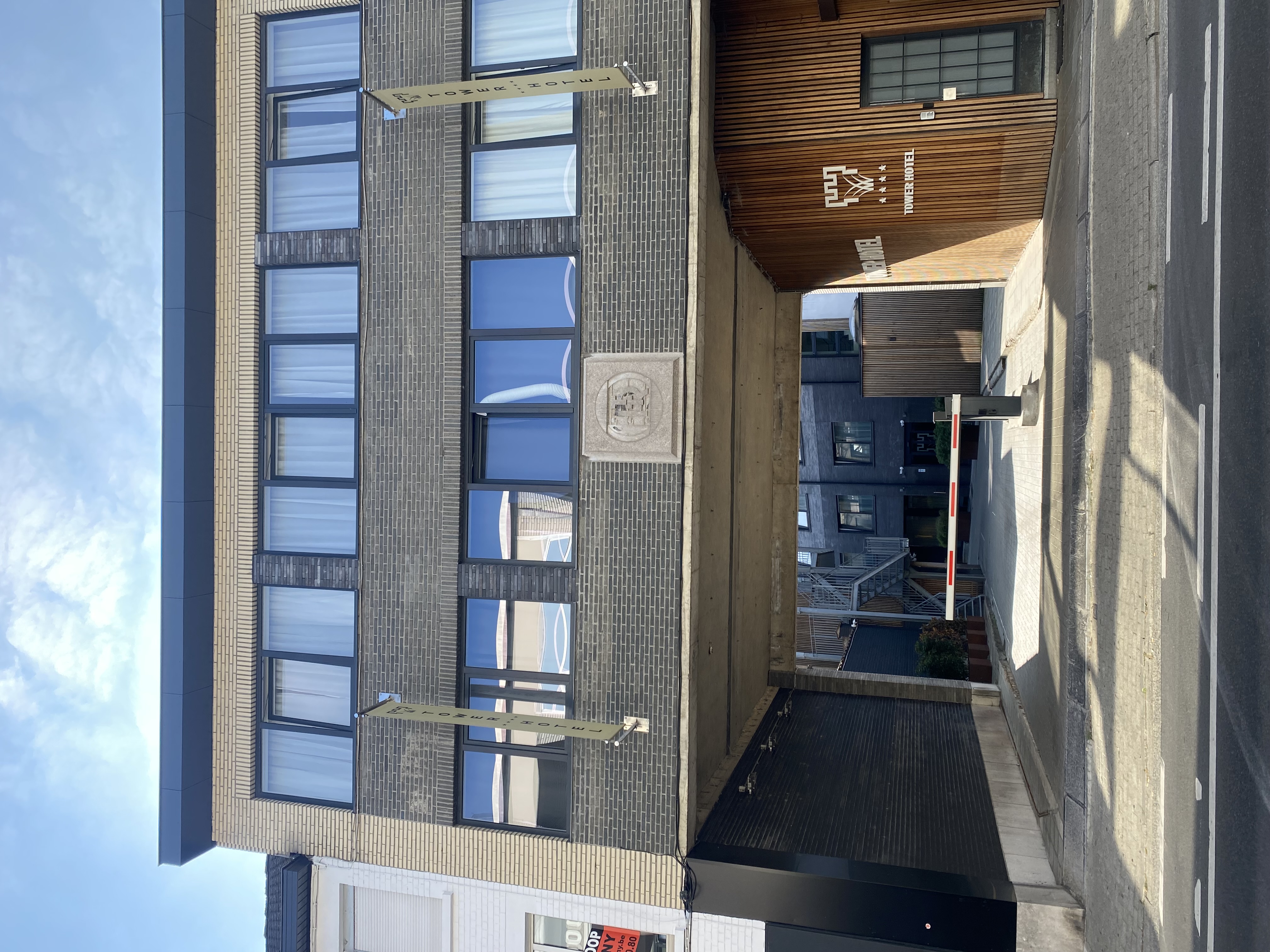
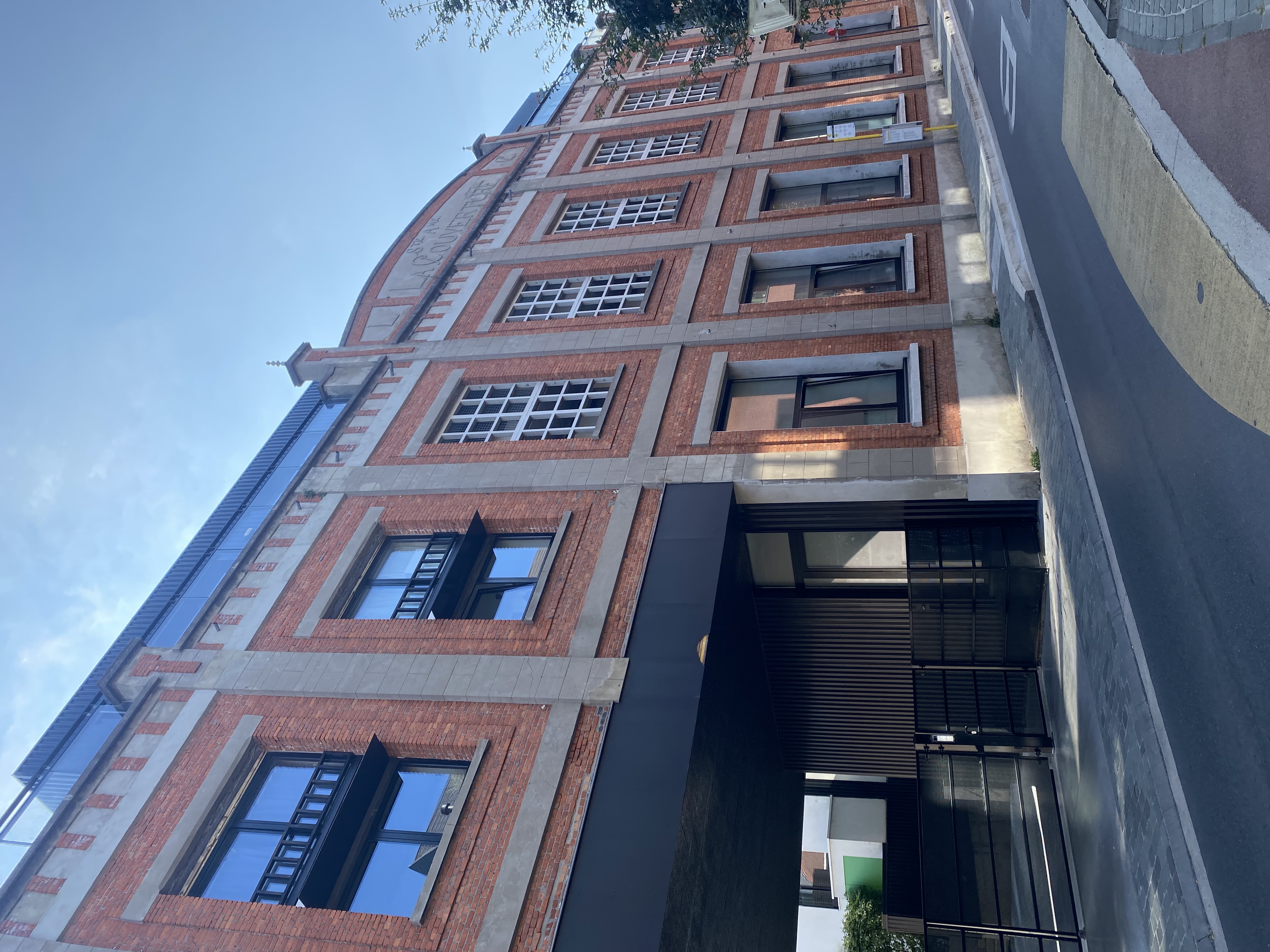
The four entrances in Aalst.

↩ Reply
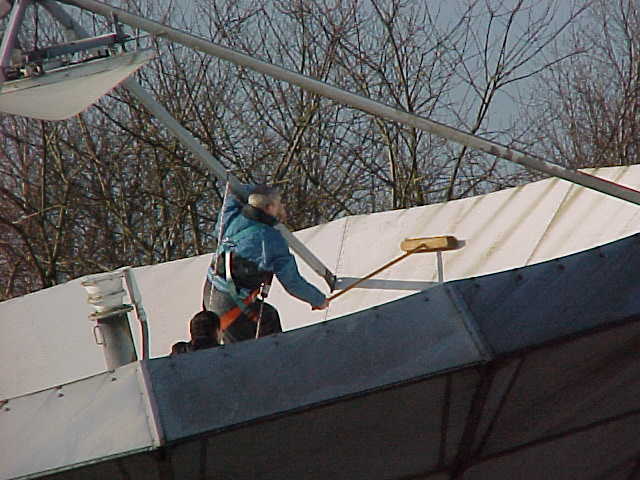
https://sky-brokers.com/project/bss-proximus-liedekerke-belgium/ On this site, you can see how they tore down my 30-year-old LDK. The photo was taken while I was washing (cleaning) one of the plates. and you can find the video of the demolition at: https://www.youtube.com/watch?v=1qroL1JlNR8
↩ Reply
TR-Sat began operations in 1984, with Filmnet as its first customer on LDK-1. This was followed by LDK-2 (Eutelsat), LDK-3 (Intersat), and LDK-4 (VSAT). Next came Belgacom-TV, now Pickx-TV. In between, the company provided radio services and SNG.